
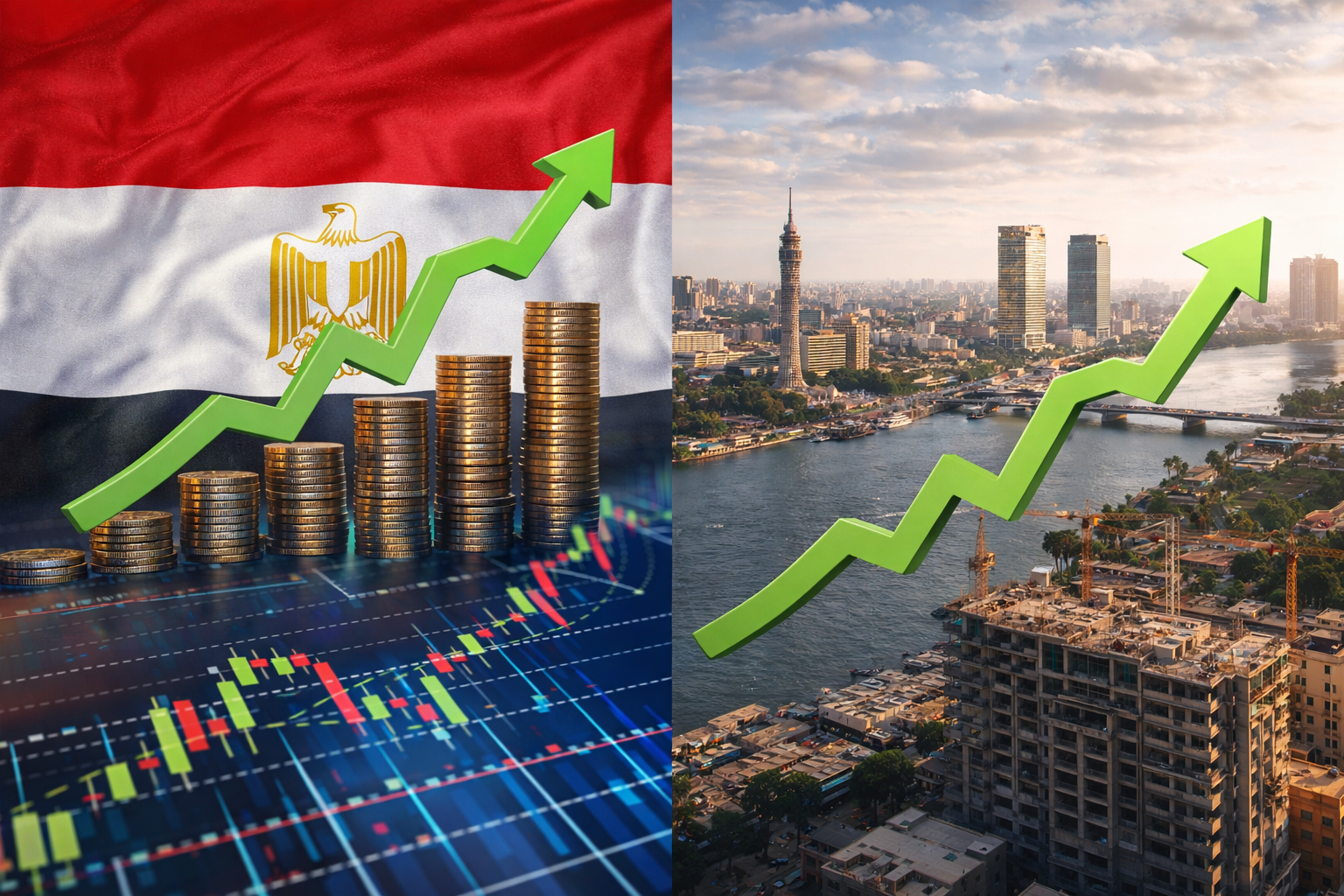
Egypt’s economy has achieved growth of around 5%, drawing attention in a volatile global environment.
Such performance highlights the resilience of emerging markets.
However, headline growth figures alone do not fully capture economic reality.
Several factors contribute to Egypt’s economic expansion.
A growing and youthful population supports consumption.
At the same time, infrastructure development, urban expansion, tourism recovery, and Suez Canal revenues play significant roles.
The quality of growth is just as important as the rate itself.
Investors should consider which sectors are expanding, how growth translates into employment, and whether it strengthens external earnings capacity.
Egypt faces ongoing economic challenges, including inflation pressures, currency fluctuations, foreign exchange constraints, and fiscal burdens.
These factors can influence the sustainability of growth.
Egypt presents opportunities across sectors such as real estate, infrastructure, consumer markets, and tourism.
Its growth potential attracts attention, but investors must also account for volatility and long-term structural factors.
Compared to other emerging economies, Egypt stands out due to its population size, strategic location, and ongoing development initiatives.
These characteristics give it a unique position within the region.
Egypt’s 5% growth is a meaningful indicator, but it represents only part of the story.
Understanding the underlying drivers — demographics, urbanization, and capital flows — is essential.
For investors, analyzing structure rather than surface-level figures is key to navigating emerging markets.
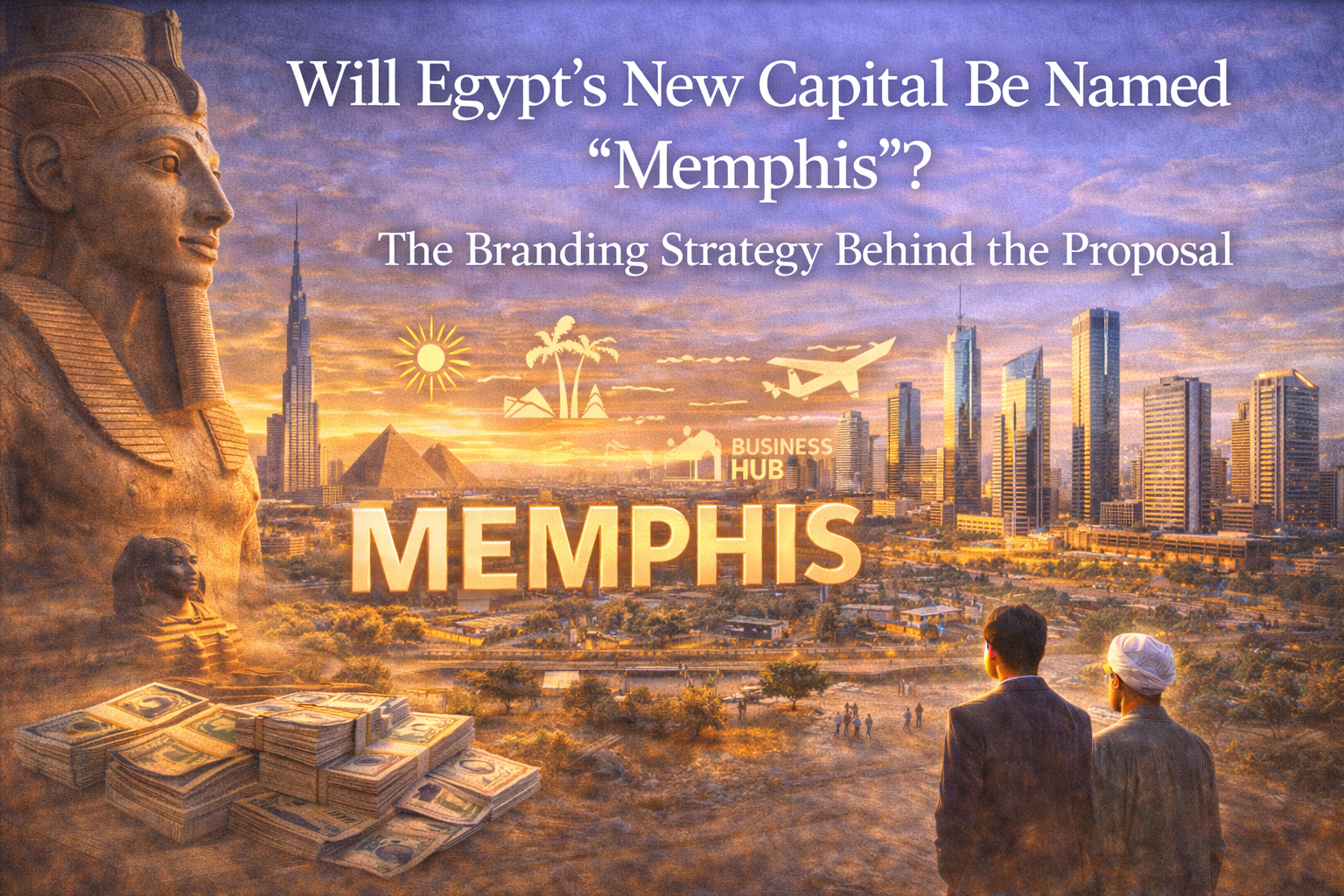
Egypt’s New Administrative Capital has been widely discussed as one of the largest urban development projects in the world.
Recently, the idea of naming the new city “Memphis” has attracted attention.
At present, the city is still commonly referred to simply as the New Administrative Capital, a provisional designation rather than a finalized name.
If Memphis were adopted, it would represent more than a renaming — it would signal a strategic branding decision.
Memphis was once the capital of ancient Egypt and served as a major political and cultural center thousands of years ago.
Its ruins, located near modern Cairo, remain one of the most significant archaeological sites in the country.
Adopting the name could symbolically connect Egypt’s ancient heritage with its modern national ambitions.
City names often evolve into global brands.
Places such as New York, Singapore, and Dubai illustrate how a name can carry economic and cultural meaning beyond geography.
Choosing a distinctive name for the new capital may influence international perception and recognition.
While the new capital project is massive in scale, the current abbreviation “NAC” lacks the symbolic resonance associated with major global cities.
As the city develops, a recognizable identity may become increasingly important for tourism promotion, investment attraction, and international branding.
Urban branding can affect investor perception.
A recognizable and historically meaningful name may enhance the city’s visibility, supporting tourism, real estate marketing, and corporate presence.
Over time, identity and narrative can contribute to the perceived value of an emerging city.
Whether or not the new capital ultimately adopts the name Memphis remains uncertain.
Yet the discussion itself reflects Egypt’s ambition to create more than an administrative center — a city with global significance.
In many ways, the name chosen for the city may represent the story Egypt wishes to tell about its future.
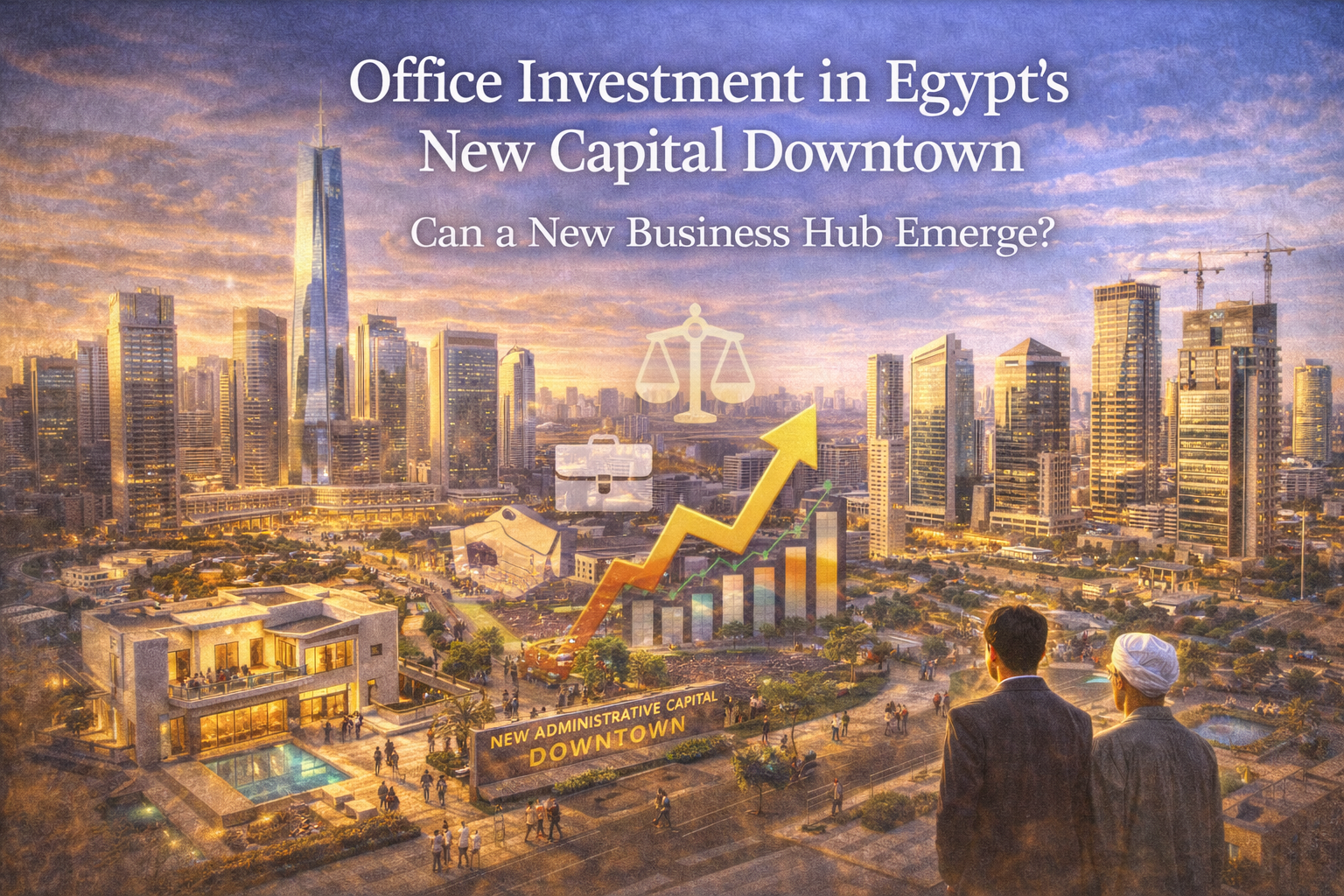
Egypt’s New Administrative Capital represents more than a relocation of government offices.
At its core lies a planned downtown district designed to function as a central business hub, integrating office towers, commercial facilities, hotels, and residential developments.
This integrated urban design aims to create a modern economic center distinct from the traditional Cairo landscape.
As government ministries gradually relocate to the new capital, related industries naturally follow.
Financial institutions, legal firms, consulting companies, and corporate service providers often cluster near administrative centers.
Proximity to government decision-making can significantly enhance the strategic value of office locations.
The downtown area is envisioned as the city’s central business district (CBD).
Key features include high-rise office buildings, pedestrian-oriented design, mixed-use developments, and infrastructure built to attract international corporations.
Unlike organic urban growth, the district is being constructed with business functionality embedded from the outset.
Office real estate tends to grow alongside economic activity.
In the case of the new capital, administrative relocation, corporate expansion, and investment promotion policies may collectively stimulate demand.
Over time, the downtown district could evolve into a primary business center.
However, the success of any new city depends on more than construction.
Corporate relocation speed, transportation infrastructure, and population inflows will influence market maturity.
At present, the office sector in the new capital remains in an early developmental phase.
Historically, major business districts emerged alongside broader urban expansion.
Manhattan, the City of London, and Tokyo’s Marunouchi all evolved over decades.
Egypt’s new capital downtown may represent the early stages of a similar transformation.
For investors, the critical factor is not the present condition of the district, but the long-term trajectory of the city itself.
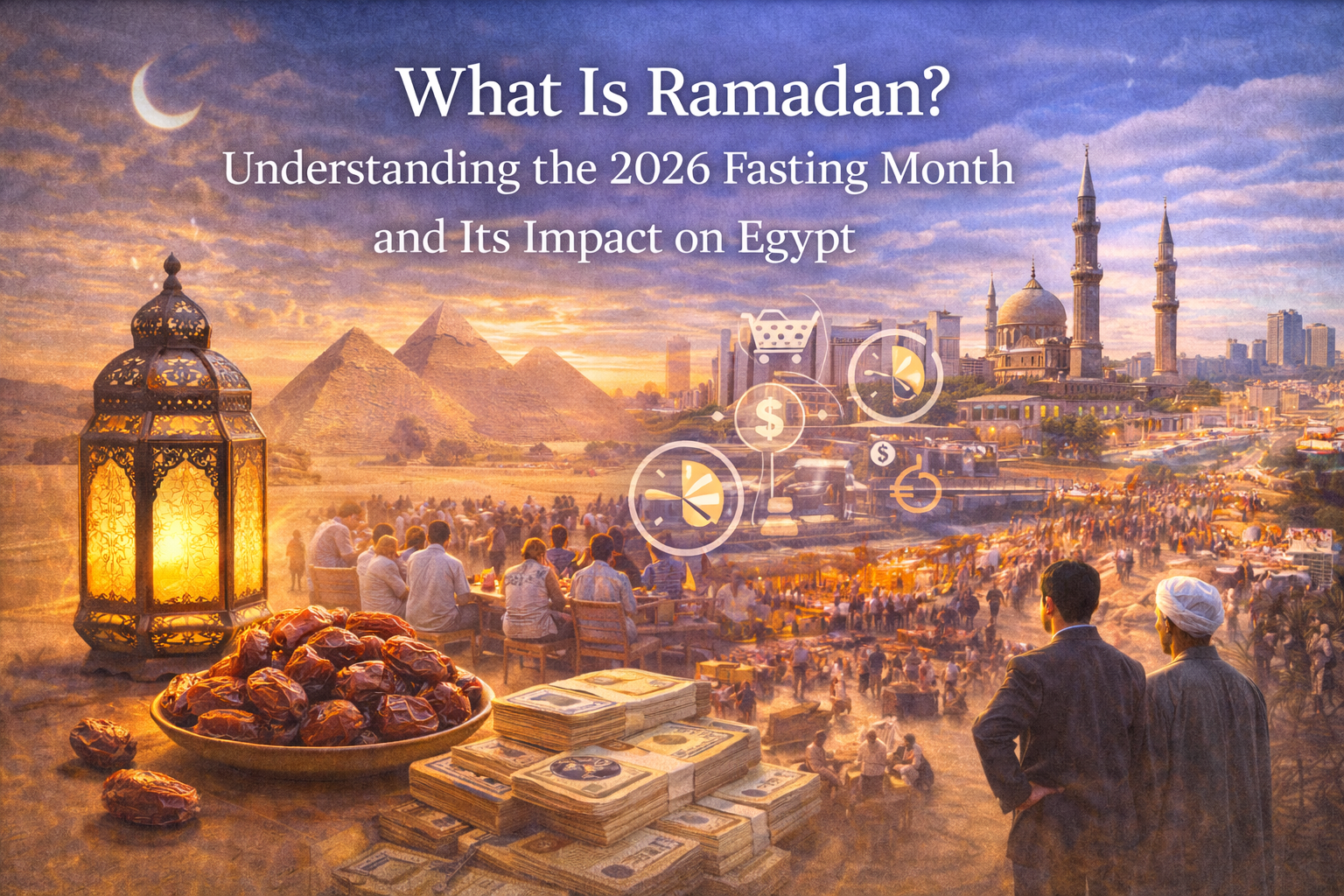
Ramadan is the ninth month of the Islamic calendar and is considered the holiest period for Muslims worldwide.
During this month, believers fast from dawn to sunset as an act of spiritual discipline and devotion.
In 2026, Ramadan will once again shape daily life across Egypt, influencing not only religious practices but also social and economic patterns.
With a predominantly Muslim population, Ramadan plays a central role in Egyptian life.
While daytime activities may slow down, evenings become vibrant after the breaking of the fast (Iftar).
Families gather, markets stay open late, and social interactions intensify.
Ramadan alters economic rhythms in distinct ways.
Working hours are often shortened, public offices adjust schedules, and consumer spending shifts toward evening hours.
Retail and food-related sectors typically experience increased demand, while physically demanding industries may see temporary productivity adjustments.
For tourists seeking cultural experiences, Ramadan offers unique insights into local traditions.
However, business visitors and companies operating in Egypt must adapt to modified schedules and social norms during this period.
Understanding these dynamics is essential for smooth operations.
Although Ramadan temporarily shifts consumption patterns, it does not fundamentally alter long-term market trajectories.
Instead, it provides insight into consumer behavior, community engagement, and cultural dynamics — all valuable factors for investors evaluating local markets.
In Egypt, Ramadan transcends religion and becomes a nationwide social phenomenon.
The 2026 fasting month will once again illustrate how faith, culture, and economics intersect.
For anyone engaging with Egypt, understanding Ramadan is an essential step toward deeper local awareness.
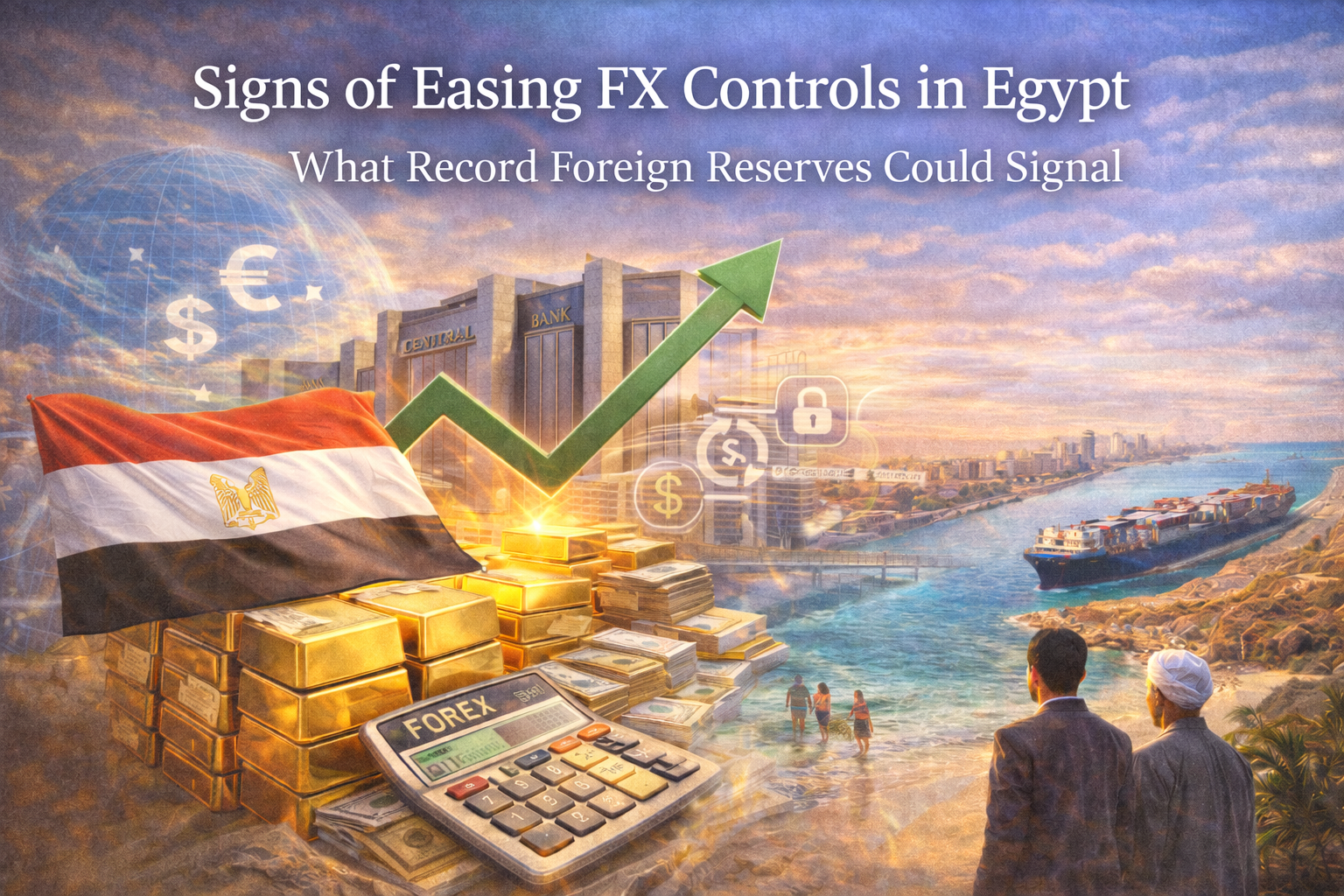
Foreign currency shortages have long been a structural challenge for Egypt.
Restrictions on imports and capital transfers have influenced corporate operations and investor sentiment.
Recently, however, rising foreign reserves have sparked discussion of potential easing in FX controls.
Foreign reserves reflect a country’s external payment capacity.
Recovery in tourism revenue, Suez Canal income, and capital inflows have strengthened Egypt’s external position.
Higher reserves typically support currency stability, smoother import payments, and improved sovereign credibility.
Gradual relaxation of FX controls could enhance capital mobility, lower entry barriers for foreign companies, and restore investor confidence.
For international investors, clarity and predictability in capital repatriation are critical factors.
External risks remain relevant, including commodity price volatility, geopolitical developments, and global interest rate trends.
Emerging markets remain sensitive to external shocks, and sustained stability requires prudent macroeconomic management.
Improved FX liquidity and policy flexibility may reinforce Egypt’s attractiveness in real estate, equity markets, and industrial investment.
For long-term investors, transparency in capital flows significantly reduces uncertainty.
Egypt’s improving foreign reserve position may mark the beginning of a new policy phase.
If easing measures prove sustainable, the country could transition toward a more open and stable financial environment.
The durability of this shift will ultimately determine its long-term economic impact.
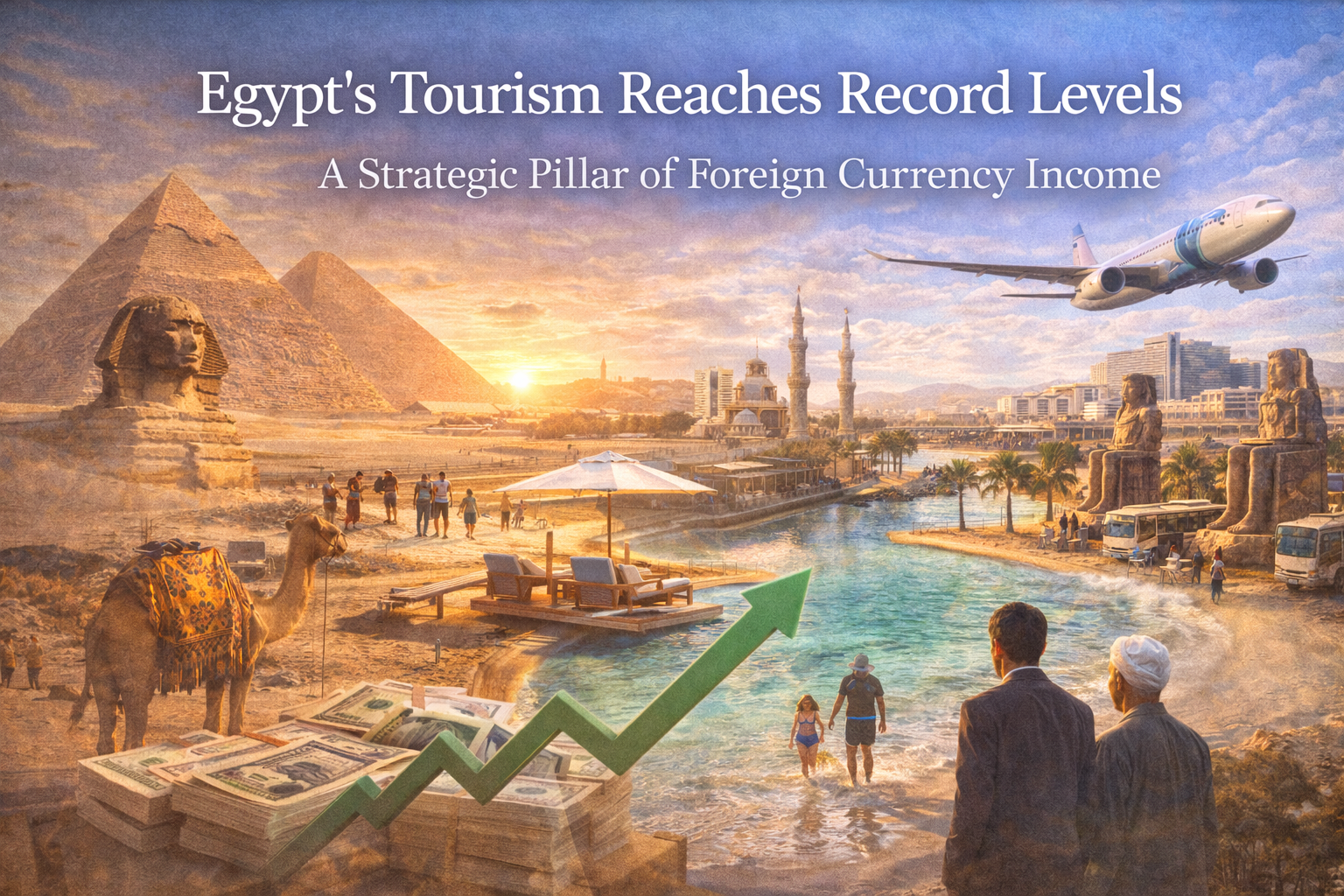
Tourism Reaccelerates in Egypt
Egypt’s tourism sector is approaching record-breaking levels once again.
Home to iconic destinations such as the Pyramids of Giza, Luxor, and the Red Sea resorts, tourism is not merely one industry among many — it is a strategic national asset.
Drivers Behind the Surge
The rebound is supported by improved security conditions, expanded international flight connections, new airport infrastructure, and strong promotional efforts.
Enhanced access and upgraded facilities are strengthening Egypt’s competitive position in global tourism markets.
This growth reflects structural reinforcement, not just post-crisis recovery.
Impact on Foreign Currency Earnings
Tourism stands alongside oil and Suez Canal revenues as a major source of foreign exchange.
Higher tourism income supports currency stability, strengthens foreign reserves, and improves current account balances.
These macroeconomic benefits extend well beyond the hospitality sector.
Integration with Urban Development
Tourism expansion aligns with broader development initiatives, including the New Administrative Capital and Red Sea mega-projects.
New hotels, international brands, and infrastructure investments create multiplier effects across real estate and employment sectors.
Investment Implications
A stable and expanding tourism base supports long-term investment in hospitality, commercial property, and transportation infrastructure.
Rising foreign currency inflows can also enhance economic credibility and investor confidence.
Conclusion: Tourism as Structural Strength
Egypt’s tourism resurgence represents more than cyclical recovery.
With world-class heritage assets and improved infrastructure, the sector is positioned as a durable growth engine.
As connectivity and capacity expand, tourism will likely play an even more central role in Egypt’s economic trajectory.
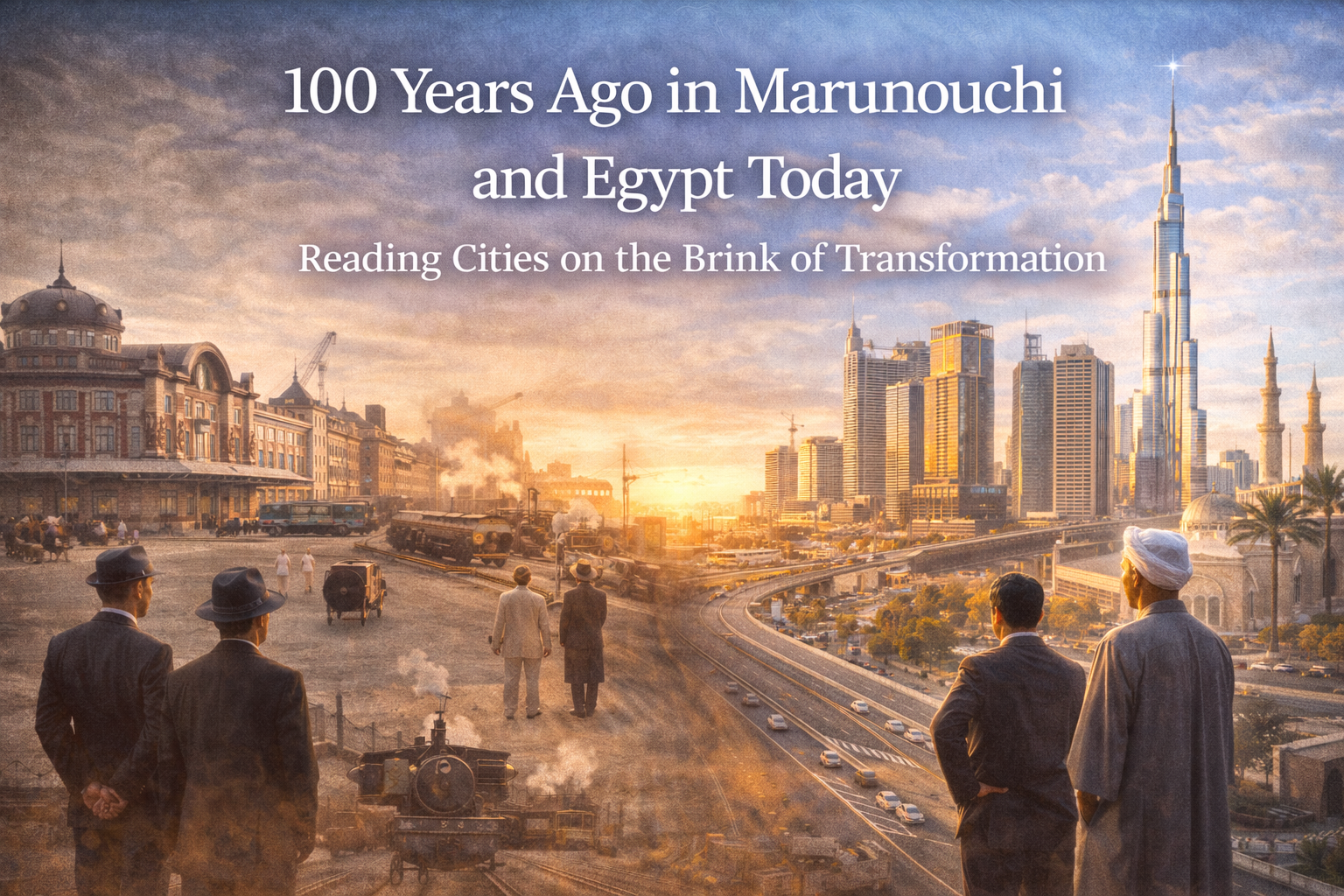
Imagine Tokyo’s Marunouchi district a century ago.
It was far from the global financial center it is today.
Yet the foundations — infrastructure, planning, and long-term vision — were already in place.
At the time, it did not look like a finished city.
It was a city at the threshold of transformation.
Modern Egypt, particularly its New Administrative Capital, presents a comparable moment.
Marunouchi’s rise was supported by railway networks, office district planning, and systematic development.
Similarly, Egypt is investing heavily in infrastructure:
During early phases, such developments often appear excessive — until growth catches up.
In the initial phase of urban expansion, there may be visible vacancies, underutilized spaces, and gradual population inflow.
This does not necessarily indicate failure; it reflects a transitional period.
Few observers could fully envision Marunouchi’s future a century ago.
The key question is not current appearance, but long-term direction.
Egypt’s population exceeds 100 million, with a significant youth demographic.
Its strategic geographic position, control of the Suez Canal, and expanding domestic market strengthen its development potential.
Population scale and geographic leverage are critical components of sustainable urban growth.
Urban transformation unfolds over decades.
Evaluating such development through short-term metrics can obscure long-term potential.
Egypt today represents an evolving structure rather than a completed model — a phase where opportunity and uncertainty coexist.
History does not repeat itself identically, but patterns often rhyme.
What once seemed incomplete can later define a nation’s economic core.
The future of high-growth cities is visible only in hindsight.
Recognizing transformation while it is still unfolding is what separates observation from long-term vision.
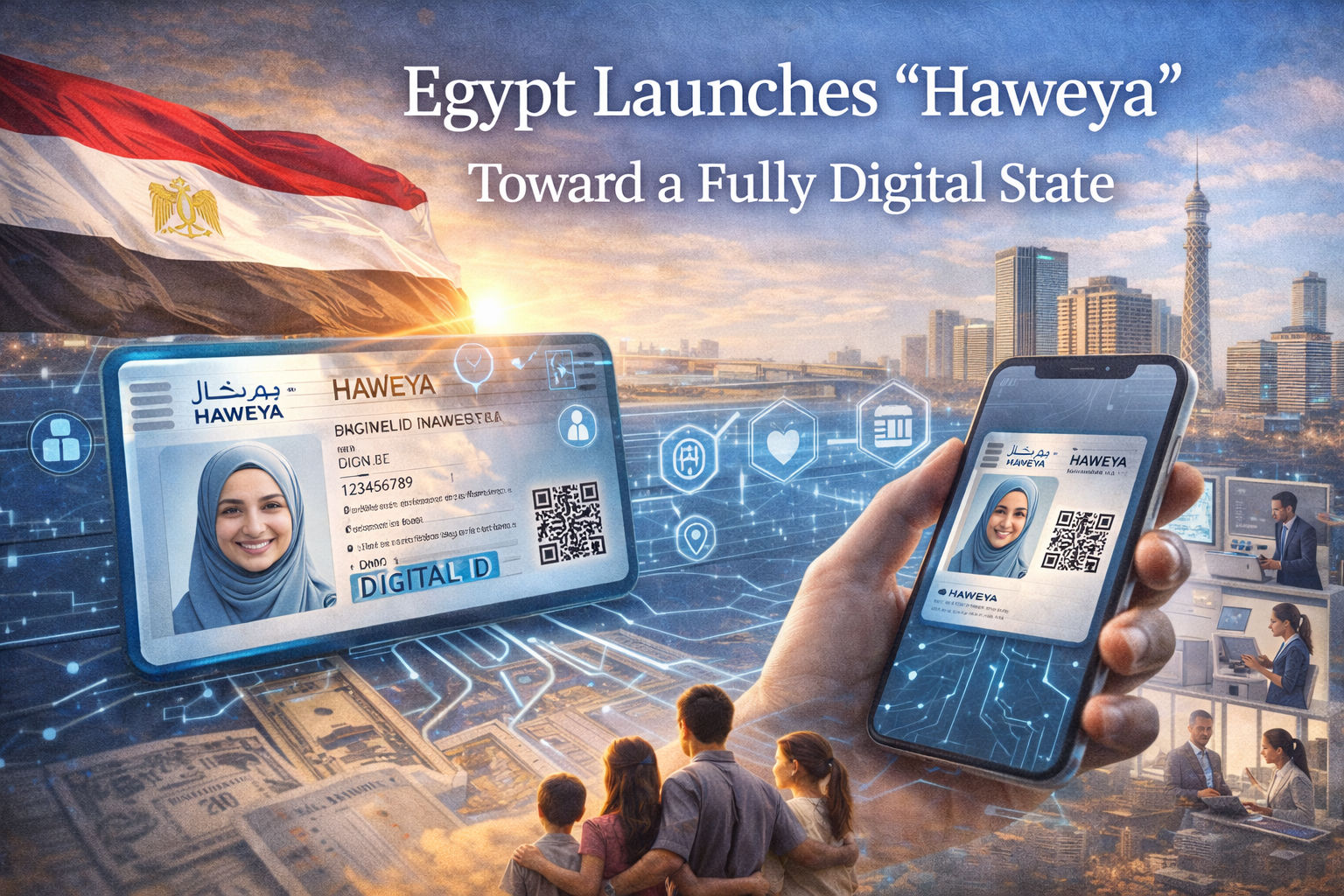
Egypt’s introduction of the national digital ID system, “Haweya,” marks a significant milestone in the country’s digital transformation strategy.
More than a simple online identification tool, it is designed as a foundational infrastructure connecting government services, financial systems, and public administration.
Haweya integrates citizens’ identity information into a secure digital authentication framework.
This enables streamlined online administrative procedures, improved access to financial services, and more efficient public service delivery.
Processes traditionally reliant on physical documentation are gradually transitioning to digital platforms.
Globally, digital ID systems are being adopted to enhance financial inclusion, strengthen tax systems, modernize government operations, and reinforce compliance measures.
With its large and youthful population, Egypt is positioning itself to participate more actively in the digital economy.
Digital ID infrastructure can accelerate banking access, support fintech development, encourage entrepreneurship, and expand digital payment ecosystems.
Lower barriers to identity verification may significantly broaden financial participation across underserved segments of society.
For investors, national digital ID systems signal institutional modernization.
Improved data management enhances tax transparency, reduces fraud risk, and strengthens credit systems.
Such developments contribute to overall economic credibility and long-term structural stability.
Haweya represents more than technological adoption — it reflects institutional reform.
As Egypt modernizes infrastructure, industry, and governance, digital identity becomes a cornerstone of its next growth phase.
The success of this initiative may serve as an important indicator of Egypt’s future economic trajectory.
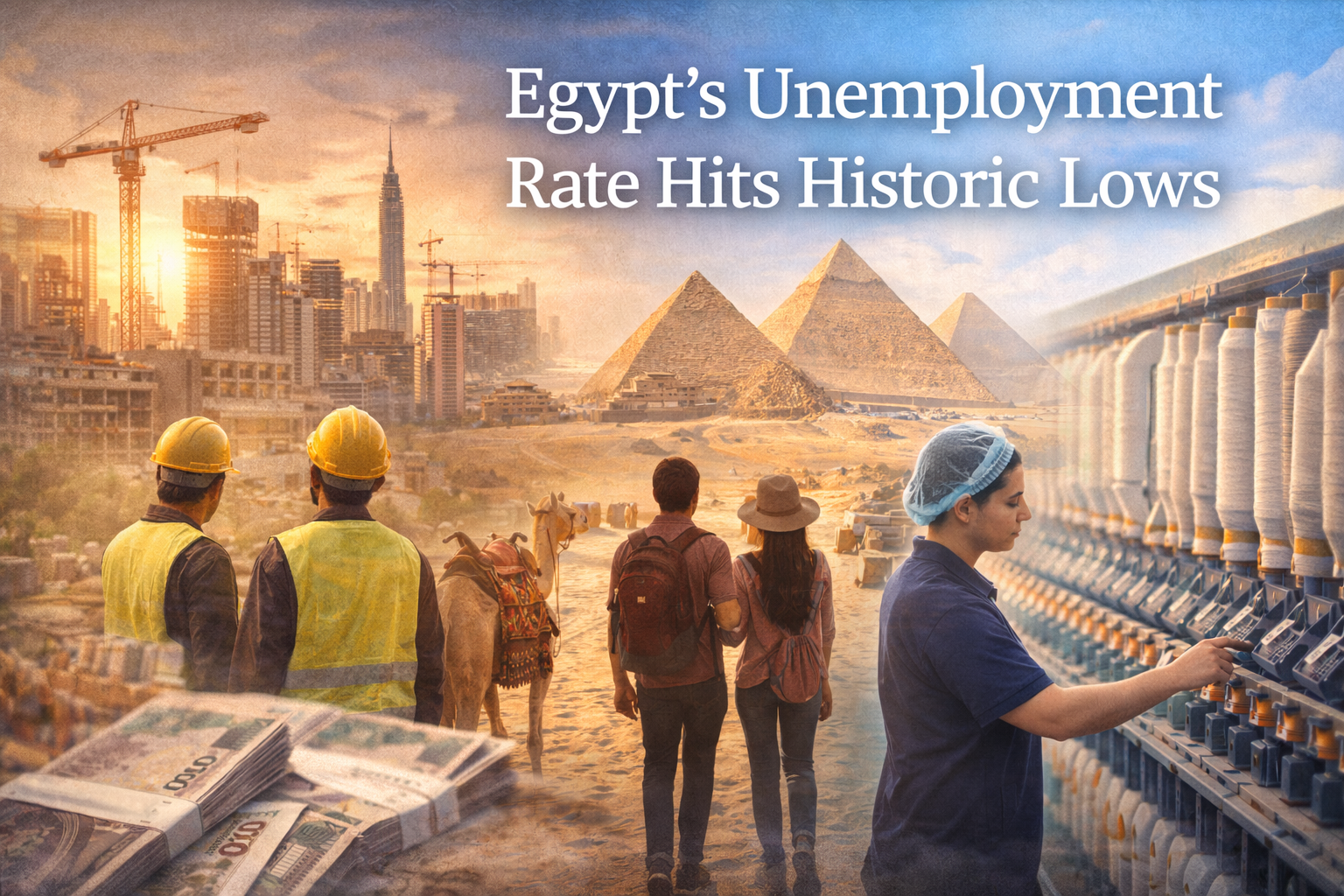
Egypt’s unemployment rate has recently fallen to historically low levels, marking a notable milestone in its economic trajectory.
Unemployment is often seen as a key indicator of economic health.
The critical question, however, is whether this decline reflects structural improvement or temporary stimulus-driven growth.
Several factors contribute to the improving employment figures:
Construction and public investment projects, in particular, have absorbed significant portions of the labor force.
A lower unemployment rate does not automatically guarantee long-term stability.
Important qualitative factors include youth employment levels, female labor participation, and the proportion of informal work.
Given Egypt’s young population, sustainable job creation remains essential.
The durability of employment gains depends on which sectors are expanding.
Public works may provide short-term relief, but private-sector growth, export industries, and diversified services offer more stable foundations.
Developments in textiles, tourism, and manufacturing will be key indicators moving forward.
Improving employment supports consumption growth and social stability.
Higher employment typically translates into stronger housing demand, increased retail activity, and urban expansion.
For investors, labor market trends serve as important signals for long-term economic momentum.
Egypt’s declining unemployment rate is an encouraging development.
However, its long-term significance depends on whether employment growth is structurally embedded within the economy.
Looking beyond the numbers to assess quality and sustainability will be crucial in evaluating Egypt’s next stage of development.

Egypt has long been known for its cotton and textile industry.
At the center of this legacy stands Misr Spinning & Weaving Company, one of the largest textile producers in the Middle East and Africa.
For decades, it played a central role in supporting Egypt’s cotton-based manufacturing sector.
However, global competition and aging infrastructure gradually weakened its position.
In recent years, Egypt has prioritized industrial revitalization as part of its broader economic strategy.
Reducing import dependence, increasing exports, and creating employment opportunities have become national objectives.
Modernizing the textile sector is a key element of this agenda.
The restructuring of Misr Spinning & Weaving Company represents more than corporate reform — it symbolizes industrial renewal.
The transformation centers on upgrading machinery, reorganizing production lines, improving efficiency, and enhancing quality control.
The goal is not merely to increase output, but to move toward higher value-added products, leveraging the global reputation of Egyptian cotton.
This shift reflects a strategy focused on competitiveness rather than scale alone.
Located in Mahalla El-Kubra, historically a textile hub, the company’s revival has broader economic implications.
Manufacturing industries generate ripple effects across supply chains, employment, and local economies.
The success of this modernization effort could influence regional development and reinforce industrial capacity.
Industrial revitalization signals structural economic strengthening.
If successful, increased export potential, diversified industry, and stable employment can contribute to long-term economic resilience.
Beyond tourism and real estate, the strength of the manufacturing base will shape perceptions of Egypt’s future growth trajectory.
The revival of Misr Spinning & Weaving Company is not simply about restoring past glory.
It represents an attempt to redefine a traditional industry within a modern, competitive framework.
As Egypt seeks to balance heritage with innovation, this transformation may serve as a key indicator of its industrial future.
Please feel free to contact us from the email form.

 Inquiries by email
 Bookmark
 Browsing history



 Bookmark
 Browsing history
