
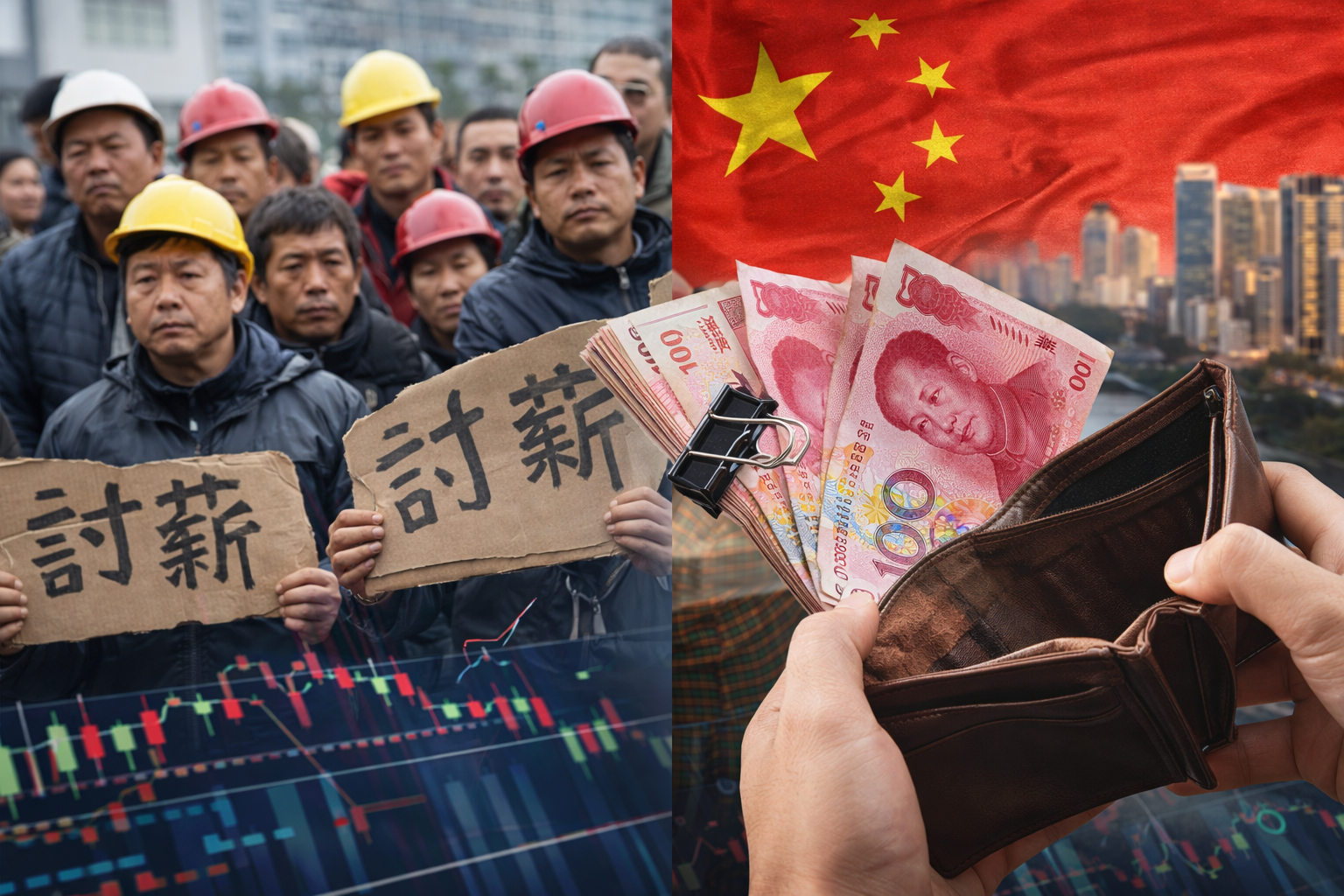
Reports of unpaid wages in China have highlighted emerging challenges within the country’s economy.
While China has experienced decades of rapid growth, recent financial pressures on companies have begun to expose structural weaknesses in labor conditions.
Several factors contribute to the rise in unpaid wages.
These include a slowdown in the property sector, declining corporate earnings, tighter financing conditions, and financial pressures on local governments.
Industries such as construction and real estate appear particularly affected.
Unpaid wages affect more than just individual workers.
They can lead to reduced consumption, increased social tensions, and declining confidence in businesses.
In an economy where domestic demand plays a key role, these effects can be significant.
Authorities have taken steps to address labor issues, but challenges remain.
Regional disparities in enforcement, limitations in oversight, and underlying financial stress within companies complicate the situation.
Structural adjustments may be required to address root causes.
For investors, rising wage arrears can serve as an important warning signal.
They may reflect financial strain in certain sectors, shifts in industrial structure, or broader economic slowdown.
Risk assessment, particularly in real estate-related industries, may need to be reconsidered.
China is transitioning from a phase of rapid growth to a more stable, mature economic model.
This transition involves corporate restructuring, industry consolidation, and market selection processes.
Wage arrears can be seen as part of this broader transformation.
Wage arrears are not always visible in headline economic data, but they provide insight into underlying economic conditions.
Understanding China’s economy requires looking beyond growth figures to observe on-the-ground realities.
These developments may signal deeper structural changes shaping the country’s economic future.

Nigeria’s stock market has experienced a strong upward trend, attracting increased attention from global investors.
Foreign capital inflows have played a significant role in driving this growth, contributing to rising valuations across the market.
Several factors are attracting foreign investment into Nigeria.
High interest rates, policy adjustments, exchange rate reforms, and favorable commodity conditions have all contributed to renewed investor interest.
These elements create an environment that can draw yield-seeking global capital.
In financial markets, inflows of capital can directly drive price increases.
In less liquid markets, rising demand can quickly push prices higher, reinforcing bullish sentiment and accelerating the upward trend.
This dynamic can sometimes lead to overheating conditions.
Rapid price increases often raise concerns about potential corrections.
Short-term capital movements, profit-taking behavior, and shifts in global conditions can trigger volatility.
Markets with a high share of foreign investors are particularly sensitive to capital flow reversals.
Despite short-term risks, Nigeria offers strong long-term fundamentals.
Population growth, urbanization, and expanding consumer markets support its economic outlook.
These structural factors provide a foundation for sustained development.
Evaluating Nigeria’s stock market requires balancing short-term momentum with long-term fundamentals.
Understanding capital flow dynamics and economic structure is essential for informed decision-making.
The rise of Nigeria’s stock market reflects growing international interest.
At the same time, it highlights the inherent volatility of emerging markets.
Opportunities and risks coexist, and successful investment depends on distinguishing between temporary trends and structural growth.

The development of humanoid robots has accelerated significantly alongside recent advances in artificial intelligence.
What was once limited to research environments is now moving toward real-world applications, signaling a shift into practical deployment.
This transformation has the potential to reshape entire industries.
Humanoid robots are designed to resemble human form and movement.
Unlike traditional industrial robots, they are capable of operating in human environments, performing flexible tasks, and adapting to a variety of roles.
When combined with AI, they can go beyond repetitive work to perform more complex, decision-based tasks.
Several factors are driving increased interest in humanoid robotics.
Global labor shortages, particularly in aging societies, have created demand for alternative workforce solutions.
At the same time, advances in AI, sensors, and battery technologies are making practical deployment more feasible.
Humanoid robots are expected to play roles across multiple industries.
These include manufacturing, logistics, healthcare, and service sectors.
Their potential to address labor shortages makes them particularly valuable in high-demand environments.
AI and robotics are widely seen as key growth areas for the future.
Within this space, humanoid robots represent a frontier with significant market expansion potential and the possibility of creating entirely new industries.
For investors, this positions the sector as a long-term strategic opportunity.
Despite the promise, several challenges remain.
High costs, safety considerations, regulatory frameworks, and public acceptance all need to be addressed.
The pace of adoption will depend on how these issues are resolved.
The convergence of AI and humanoid robotics may mark the beginning of a new industrial era.
Beyond technological innovation, it could reshape how societies function and how work is performed.
From an investment standpoint, the key is to view this trend not as a short-term hype cycle, but as a long-term structural transformation.
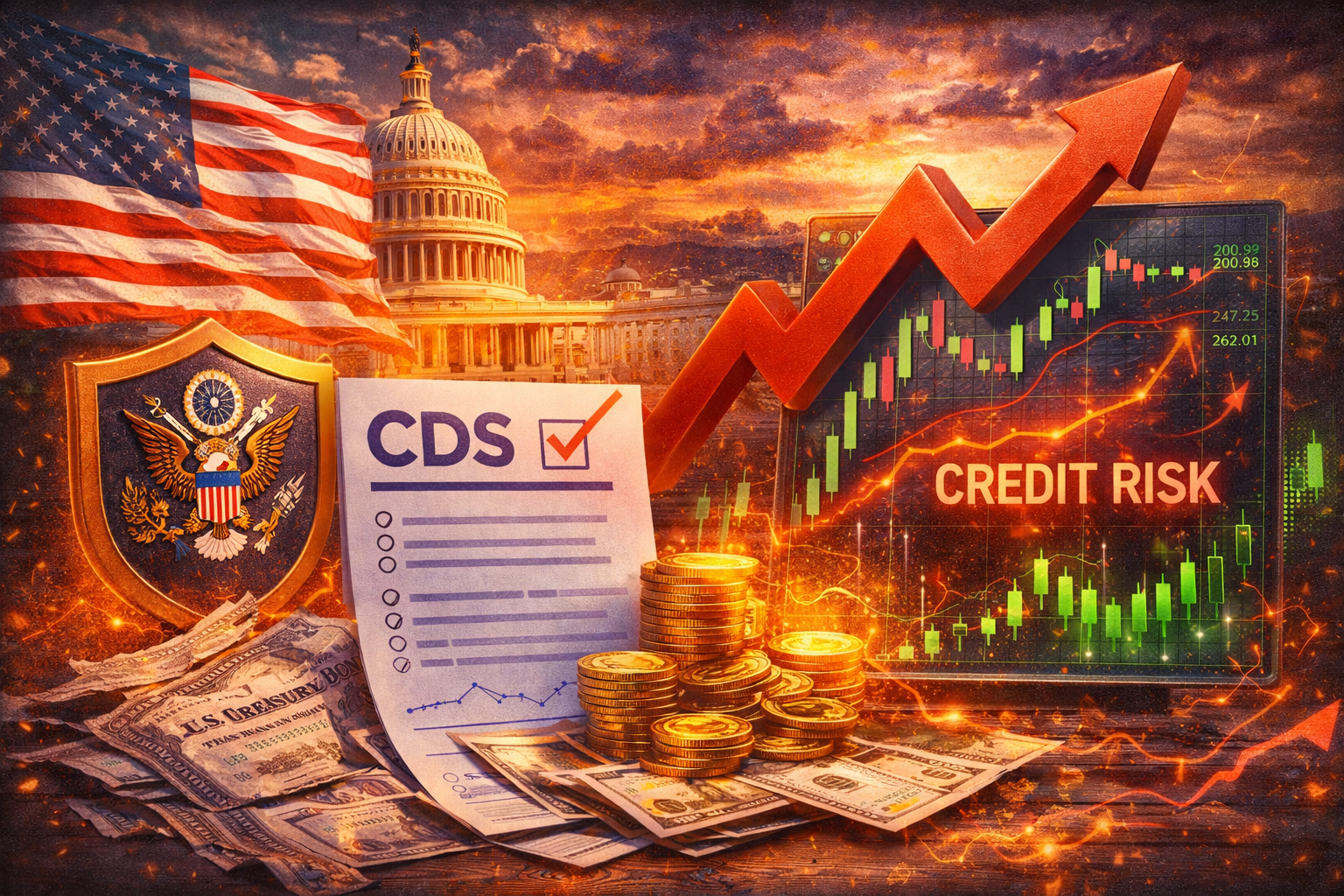
U.S. Treasuries have long been considered among the safest assets in global finance.
However, recent increases in credit default swap (CDS) spreads tied to U.S. debt have drawn attention.
Some observers interpret this as a potential sign of rising credit risk.
A credit default swap is a financial instrument that provides protection against the default of a borrower.
When CDS spreads rise, it indicates that the market perceives higher credit risk associated with that issuer.
In this sense, CDS can be viewed as a market-based gauge of perceived default risk.
Several factors may contribute to rising CDS spreads for U.S. Treasuries.
These include expanding fiscal deficits, debates over the debt ceiling, political uncertainty, and shifts in interest rate conditions.
Recurring fiscal negotiations in the United States often influence market sentiment.
An increase in CDS does not necessarily imply an imminent default risk.
The United States holds a unique position as the world’s largest economy and the issuer of the global reserve currency.
Its financial capacity and global influence distinguish it from other sovereign issuers.
CDS movements reflect not only fundamental credit risk but also investor sentiment.
Political tensions, economic uncertainty, and risk-off behavior can all drive CDS spreads higher.
Thus, CDS levels incorporate both objective risk and market expectations.
When analyzing CDS, it is important to consider broader context.
Long-term trends, comparisons with other sovereign issuers, and relationships with interest rates and currency markets all provide valuable insight.
A single indicator rarely tells the full story.
The rise in U.S. Treasury CDS spreads signals heightened market awareness, but not necessarily immediate danger.
Understanding the underlying drivers behind such movements is essential.
In financial markets, interpreting the meaning behind the numbers is often more important than the numbers themselves.
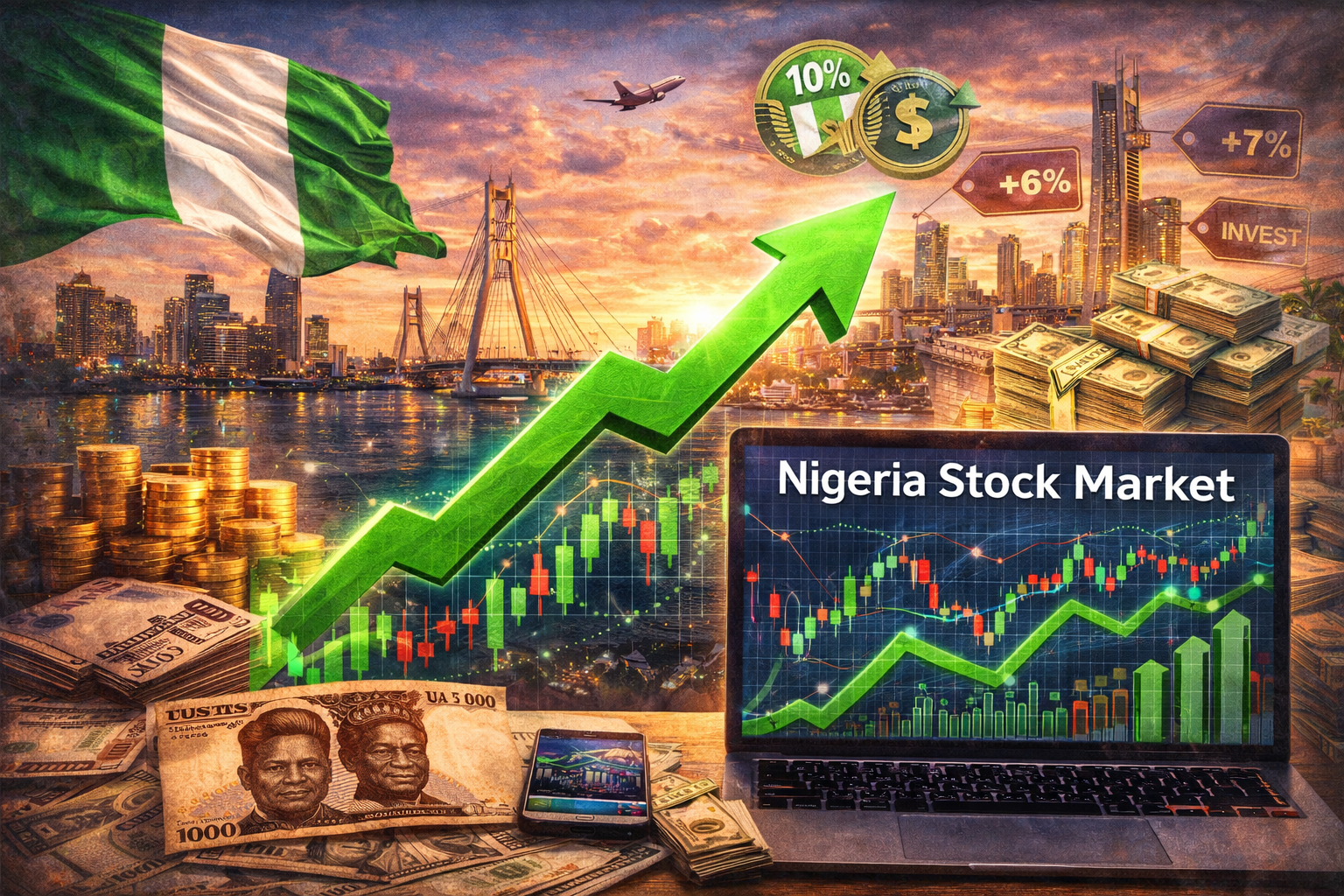
Nigeria’s economy, long associated with structural challenges, is beginning to show signs of recovery.
Improvements in the stock market, relative currency stabilization, and renewed capital inflows suggest a potential turning point.
The Nigerian equity market has started to regain investor interest.
Policy adjustments, improving sentiment, and expectations for corporate performance have contributed to this trend.
Stock markets often reflect forward-looking expectations, making them an important indicator of economic direction.
The naira, previously marked by volatility, has shown periods of relative stability.
Reforms in exchange rate policy and tighter monetary measures have contributed to improved confidence.
Currency stability can support trade, investment, and broader economic activity.
International investors are gradually returning to the Nigerian market.
High interest rates, policy reforms, and favorable commodity dynamics are attracting capital inflows.
Sustained investment is a key factor in maintaining economic recovery.
Despite positive developments, Nigeria still faces structural challenges.
Inflation pressures, dependence on energy exports, and the consistency of reform policies remain important concerns.
The sustainability of recovery will depend on how these issues are managed.
With one of the largest populations in Africa, Nigeria holds significant long-term potential.
Consumer markets, natural resources, and financial services sectors offer growth opportunities.
However, emerging market risks require careful, long-term evaluation.
Nigeria’s recent developments point toward the early stage of economic recovery.
Positive signals across multiple indicators are encouraging, but the journey toward sustained growth is still unfolding.
For investors and observers, the current phase represents not a conclusion, but the beginning of a new cycle.

The Munich Security Conference, held annually in Germany, is one of the most influential gatherings for international security discussions.
Political leaders, foreign ministers, defense officials, and policy experts from around the world attend the event to debate pressing global security challenges.
The conference began in the 1960s as a platform primarily for Western defense dialogue.
After the end of the Cold War, participation expanded significantly, bringing representatives from Asia, the Middle East, Africa, and other regions.
Today it serves as a global forum for discussing international security issues.
The Munich Security Conference often becomes a stage where key geopolitical issues are addressed.
Topics frequently include international conflicts, military alliances, NATO’s strategic role, and emerging security threats.
Statements made by leaders during the conference can signal shifts in international policy directions.
In recent years, discussions surrounding defense spending and military modernization have become increasingly prominent.
Many countries are reassessing their security strategies, investing in new technologies, and strengthening military capabilities.
These developments influence global power balances and geopolitical dynamics.
For Japan, the conference provides an important diplomatic platform.
Japanese officials use the event to communicate policy positions and engage in dialogue with international counterparts.
It also offers opportunities for bilateral meetings and strategic coordination.
The Munich Security Conference is more than a traditional policy meeting.
It reflects broader shifts in global security, diplomacy, and strategic competition.
For observers of international affairs, the discussions held in Munich often provide valuable insights into the direction of global geopolitics.

Events in the Middle East often change rapidly.
In some cases, a declaration of halted military operations is followed only hours later by renewed activity.
Such developments highlight the fragile and complex nature of regional security dynamics.
The Middle East involves numerous actors and overlapping interests.
National rivalries, regional power competition, political divisions, and the influence of global powers all contribute to a highly complex environment.
As a result, announcements of de-escalation do not always translate into immediate stability on the ground.
The Persian Gulf holds enormous significance for the global economy.
It serves as a critical corridor for oil and natural gas shipments and plays a central role in international maritime trade.
Heightened tensions in this region can affect energy prices, financial markets, and global supply chains.
Cities such as Dubai are widely recognized as stable economic hubs within the region.
Nevertheless, broader geopolitical tensions may still lead to indirect consequences such as adjusted flight routes, enhanced security measures, or shifts in market sentiment.
Geopolitical developments often influence short-term market behavior.
However, investors must distinguish between temporary headlines and long-term structural realities.
Economic fundamentals, institutional stability, and capital flows typically evolve more slowly than daily news cycles.
The recent developments demonstrate that the Middle East remains a region where tensions can shift quickly.
For international investors and businesses, understanding geopolitical risk is not about reacting to every headline, but about maintaining a long-term perspective.
Recognizing structural factors behind the news remains essential for informed decision-making.

The Nigerian naira has shown resilience beyond many market expectations.
Traditionally associated with foreign exchange shortages and volatility, the currency’s recent stability suggests that deeper structural changes may be underway.
The unification of multiple exchange rate windows and increased transparency have improved market confidence.
Clearer policy frameworks reduce distortions and attract more stable capital inflows over time.
Stabilizing oil revenues and policy adjustments have supported foreign reserve levels.
High interest rates have also attracted portfolio investments, increasing demand for naira-denominated assets.
Monetary tightening aimed at controlling inflation has reinforced currency stability.
Higher interest rates discourage capital flight and enhance the relative attractiveness of local assets.
Increased oversight of foreign exchange transactions has reduced speculative pressures.
While tighter controls may limit short-term liquidity, they can contribute to exchange rate stability.
Currencies are influenced not only by fundamentals but also by expectations.
As confidence gradually returns, demand for precautionary dollar holdings may decline, supporting local currency strength.
The naira’s recent strength reflects a combination of policy reform, capital flows, and improved sentiment.
However, as an emerging market currency, it remains sensitive to external shocks and commodity price fluctuations.
Sustainability will depend on consistent policy implementation and continued improvement in external balances.
Nigeria’s currency story may be entering a new phase — but durability remains the ultimate test.

The USD/JPY exchange rate has experienced unusually sharp fluctuations in recent years.
While interest rate differentials and global economic conditions remain key drivers, domestic political developments have become increasingly influential.
As general elections approach, currency movements are no longer viewed as purely market-driven events, but as issues closely tied to political decision-making.
Ahead of elections, rapid currency movements can directly impact daily life through inflation, import costs, and energy prices.
As a result, excessive yen depreciation or appreciation quickly becomes a political issue, shaping public sentiment and government responses.
Currency intervention, therefore, serves not only as an economic tool but also as a political signal.
Markets constantly attempt to anticipate government and central bank actions by analyzing official statements and policy signals.
Authorities, on the other hand, balance verbal warnings, policy guidance, and the option of direct intervention to manage volatility.
As elections draw nearer, this interaction between policymakers and markets becomes increasingly delicate.
Sudden shifts in the exchange rate reflect more than short-term speculation.
They embody concerns about interest rate differentials, economic outlooks, and uncertainty surrounding policy responses.
Political events such as elections can amplify these factors, acting as catalysts rather than root causes.
During periods of heightened political attention, short-term market moves can appear dramatic.
Investors should step back and consider whether political events are temporary triggers or signals of deeper structural change.
Elections and interventions may influence timing, but they do not always alter the long-term direction of currency trends.
The interaction between elections and currency intervention highlights the close — yet limited — relationship between politics and financial markets.
Ultimately, markets return to fundamentals such as interest rates, growth prospects, and policy sustainability.
By looking beyond headlines and examining this balance, investors can gain a clearer perspective on what currency volatility truly represents.

The Common Reporting Standard (CRS) is an international framework that enables tax authorities to automatically exchange financial account information.
Its purpose is to prevent tax evasion through offshore accounts by ensuring transparency across borders.
A common misconception is that CRS allows governments to freely inspect all foreign bank accounts.
In reality, information exchange depends on several factors, including tax residency, participating jurisdictions, and account classifications.
CRS operates based on structured reporting rules, not indiscriminate monitoring.
Another frequent misunderstanding is the belief that holding accounts in non-CRS countries ensures privacy.
Even if a country is not formally participating in CRS, information may still be shared through bilateral agreements, bank compliance policies, or other international frameworks.
Relying solely on non-participation lists can create false security and unexpected risks.
CRS focuses less on where the account is located and more on where the account holder is tax resident.
Tax residency is determined by factors such as living arrangements, economic ties, and personal circumstances.
Changing account locations without changing tax residency rarely alters reporting obligations.
In the CRS era, the goal is not concealment but consistency and clarity.
Being able to explain why an account exists, how funds are sourced, and how income is reported is far more important than avoiding certain jurisdictions.
CRS may appear intimidating, but it is best understood as a baseline condition of modern international finance.
Rather than chasing perceived loopholes, individuals are better served by aligning their tax residency, account structures, and reporting obligations in a transparent and defensible manner.
This approach provides stability and confidence in a highly connected financial world.
Please feel free to contact us from the email form.

 Inquiries by email
 Bookmark
 Browsing history




 Bookmark
 Browsing history
