
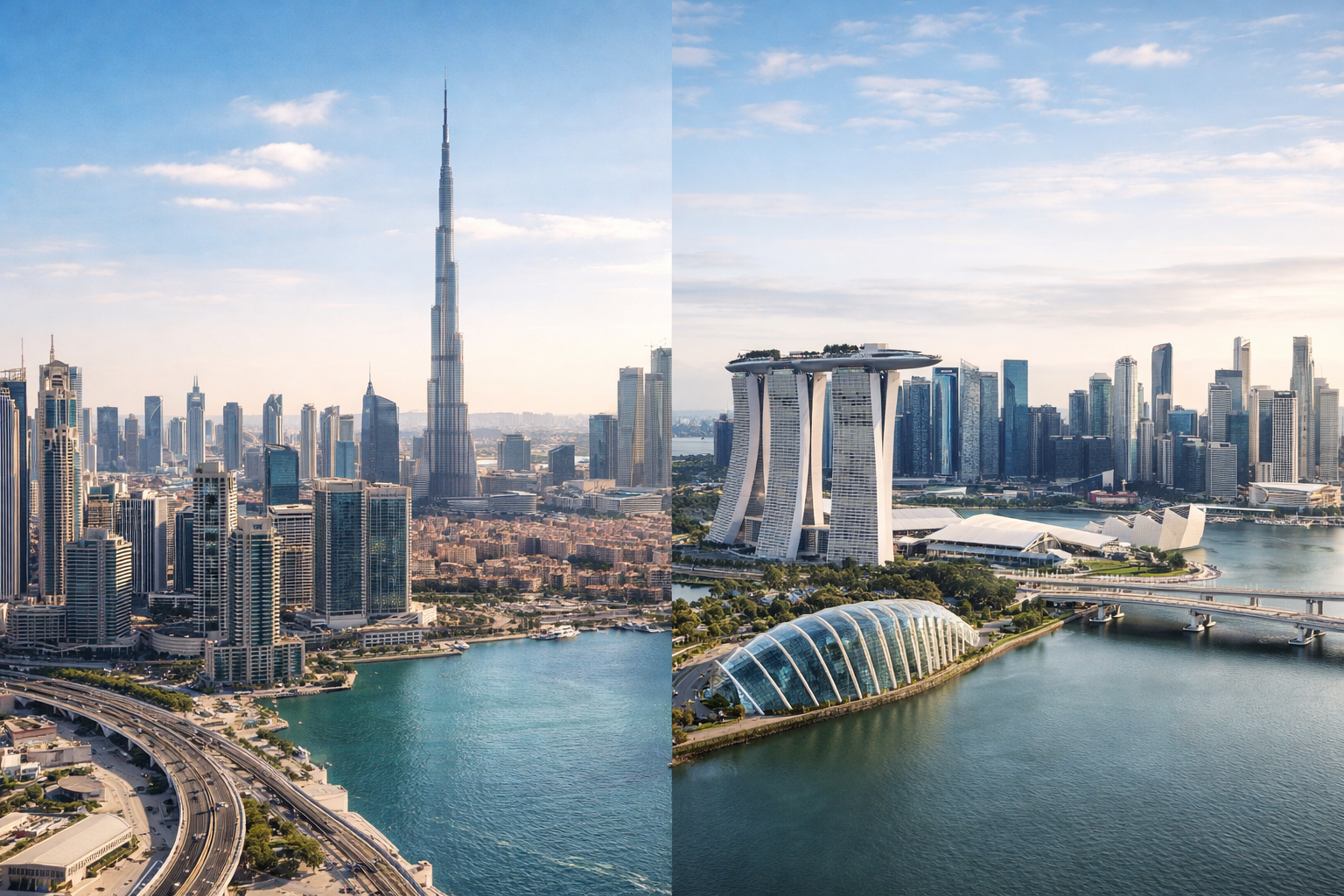
Dubai is often perceived as a rapidly growing global city.
Iconic skyscrapers, large-scale developments, and population expansion contribute to this image.
However, actual economic growth rates suggest a more nuanced reality.
Dubai’s economic growth, reflected in UAE-wide data, typically falls within moderate single-digit percentages.
This indicates stable and consistent growth rather than explosive expansion.
It represents a balance between development and economic maturity.
Dubai is frequently compared with Singapore due to their shared roles as global hubs.
Both cities function as financial centers, logistics gateways, and destinations for international capital.
However, differences in economic structure, demographics, and policy frameworks lead to variations in growth dynamics.
Dubai’s economy is highly diversified.
Tourism, real estate, finance, and logistics play central roles, supported by continuous inflows of foreign capital and population growth.
This diversification reduces reliance on any single sector.
GDP alone does not fully capture Dubai’s economic reality.
Indicators such as population growth, property market trends, consumer activity, and capital inflows provide additional insight.
A comprehensive view requires analyzing multiple dimensions.
For investors, the quality and sustainability of growth are more important than headline growth rates.
Dubai offers advantages such as favorable tax policies, flexible residency programs, and strong capital inflows.
At the same time, it remains sensitive to global economic conditions.
Dubai’s economic story extends beyond simple growth figures.
Comparisons with Singapore highlight that different cities follow distinct development models.
In today’s global economy, understanding these differences is more valuable than focusing solely on numerical growth rates.
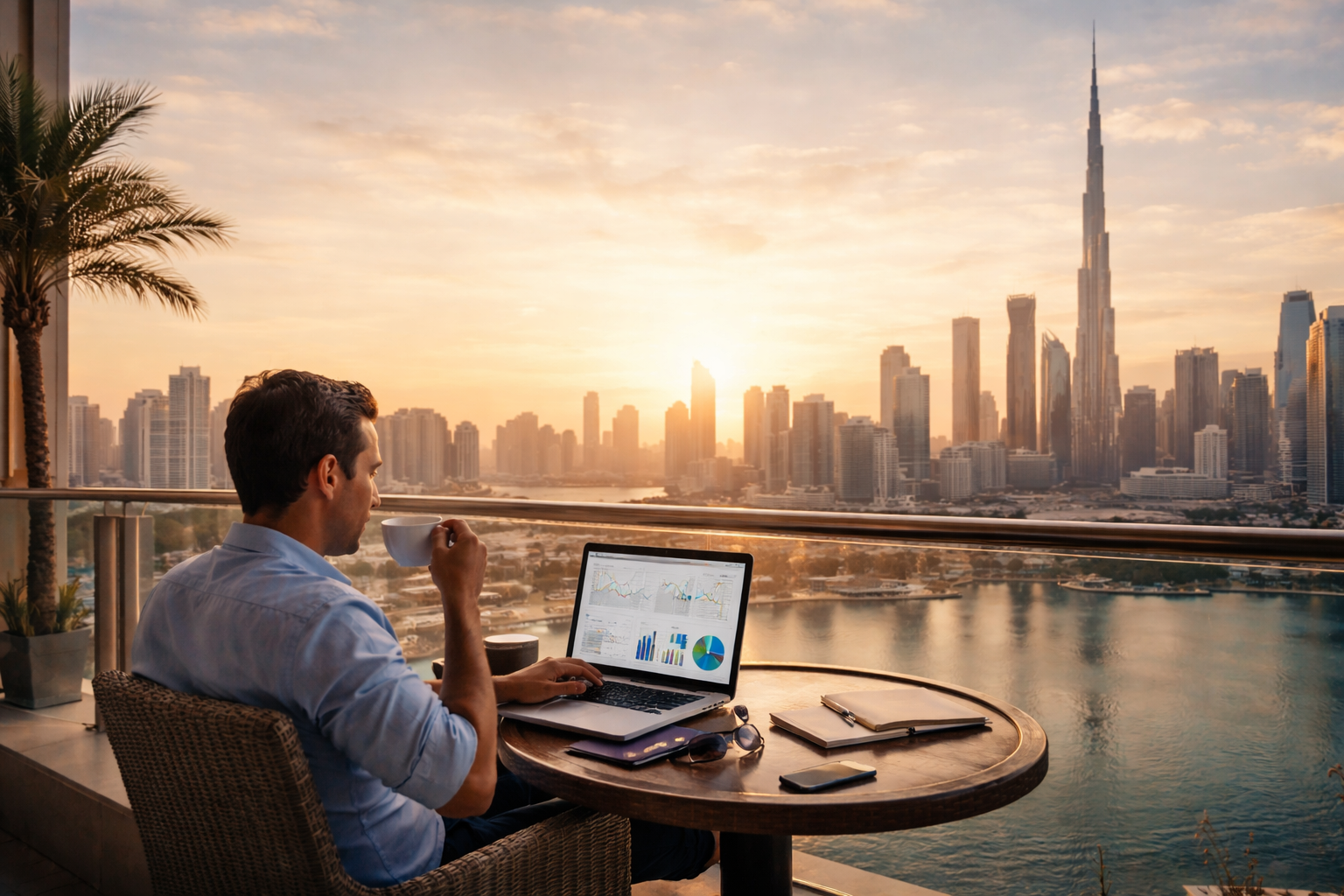
As remote work continues to expand globally, professionals are increasingly free to choose where they live and work.
Dubai has emerged as a popular destination for remote workers due to its strong infrastructure, international environment, and flexible residency programs.
Dubai offers a remote work visa that allows individuals employed by overseas companies to reside in the city.
This program enables professionals to maintain their employment abroad while enjoying a stable living environment in Dubai.
It is part of a broader effort to attract global talent.
Several factors make Dubai an attractive choice.
The absence of personal income tax allows individuals to retain more of their earnings.
Additionally, the city provides high-speed internet, a safe living environment, and access to international business networks.
Dubai offers a wide range of work-friendly environments, including co-working spaces, cafes, and business centers.
Its multicultural population also creates opportunities for networking and collaboration across industries and regions.
Despite its advantages, there are practical considerations.
Living costs can be relatively high, health insurance is essential, visa renewals require planning, and understanding local regulations is important for a smooth experience.
Living in Dubai can open doors beyond remote work.
It offers opportunities for networking, business expansion, and diversified career paths.
In this sense, remote work is not only a lifestyle choice but also a strategic decision.
The global workforce is shifting from location-based employment to location-independent living.
Dubai represents this transition, offering a platform where work and lifestyle intersect.
In the future, the choice of where to live may become just as important as the choice of career itself.
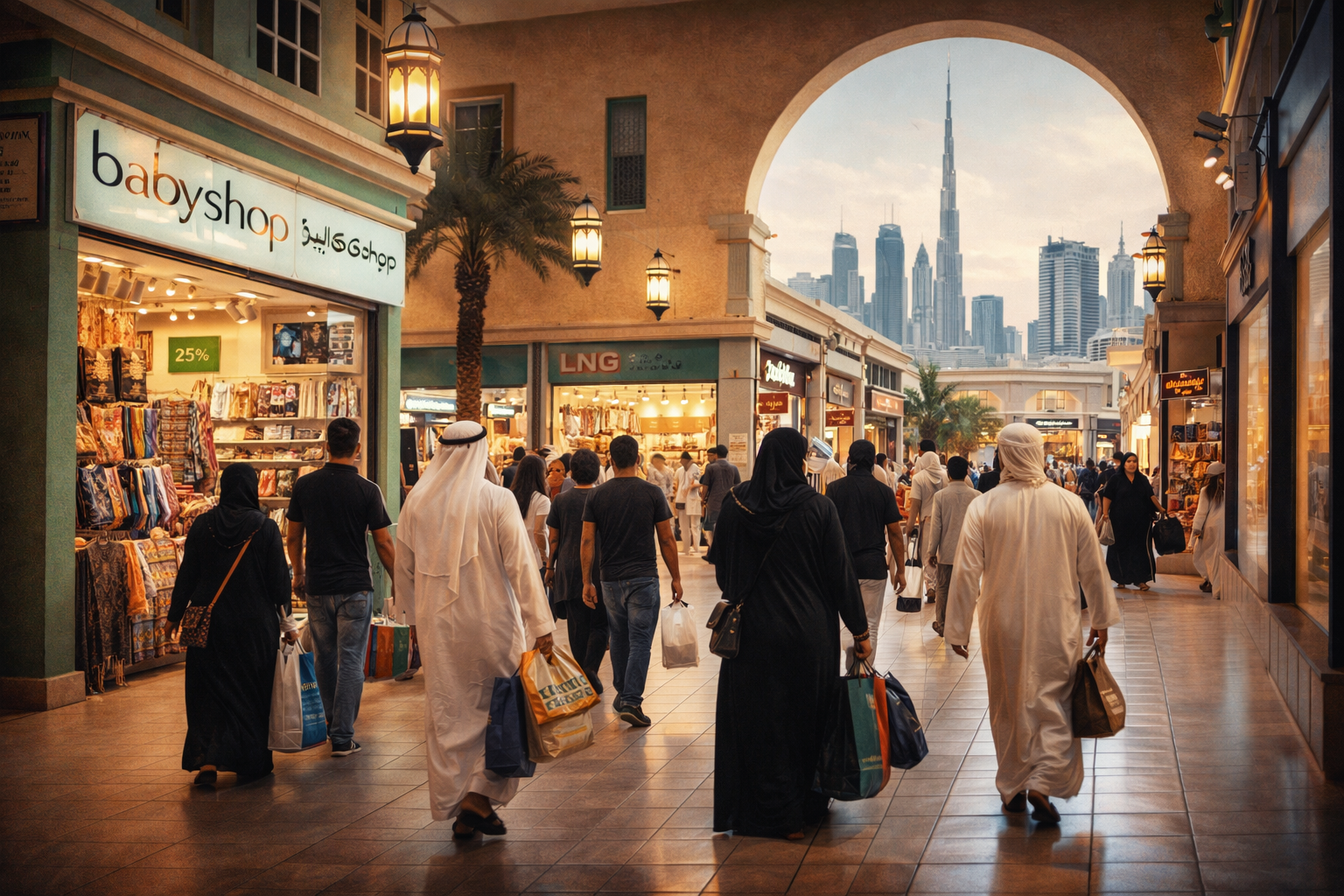
Dubai is widely known for iconic shopping destinations such as The Dubai Mall and Mall of the Emirates.
However, beyond these globally recognized landmarks lies another layer of the city — local shopping malls that are rarely visited by tourists.
These spaces offer a glimpse into everyday life in Dubai.
Unlike major tourist destinations, local malls are designed for residents.
They typically feature practical retail options, essential services, and a more relaxed atmosphere.
Pricing is generally more aligned with daily consumption rather than luxury spending.
There are several reasons why these malls remain largely unnoticed by visitors.
They are often located outside central tourist zones, receive little coverage in travel guides, and offer limited entertainment compared to flagship malls.
As a result, they remain off the typical tourist itinerary.
From an investment standpoint, local malls provide valuable insights.
While tourist-oriented retail depends heavily on external demand, local markets are driven by population dynamics and everyday consumption patterns.
This can create a more stable and predictable demand base.
Dubai presents a dual identity.
It is both a global tourism hub and a living city where residents carry out daily activities.
Understanding both aspects is essential for gaining a comprehensive view of its economic structure.
Local retail environments can reveal important trends for investors.
They highlight where people live, how they spend, and how economic activity is distributed across different areas.
Such insights are critical for evaluating long-term opportunities.
Tourist attractions represent only one layer of a city.
The real foundation of an economy often lies in everyday consumption and local communities.
Exploring beyond the visible highlights allows for a deeper understanding of Dubai’s long-term growth dynamics.
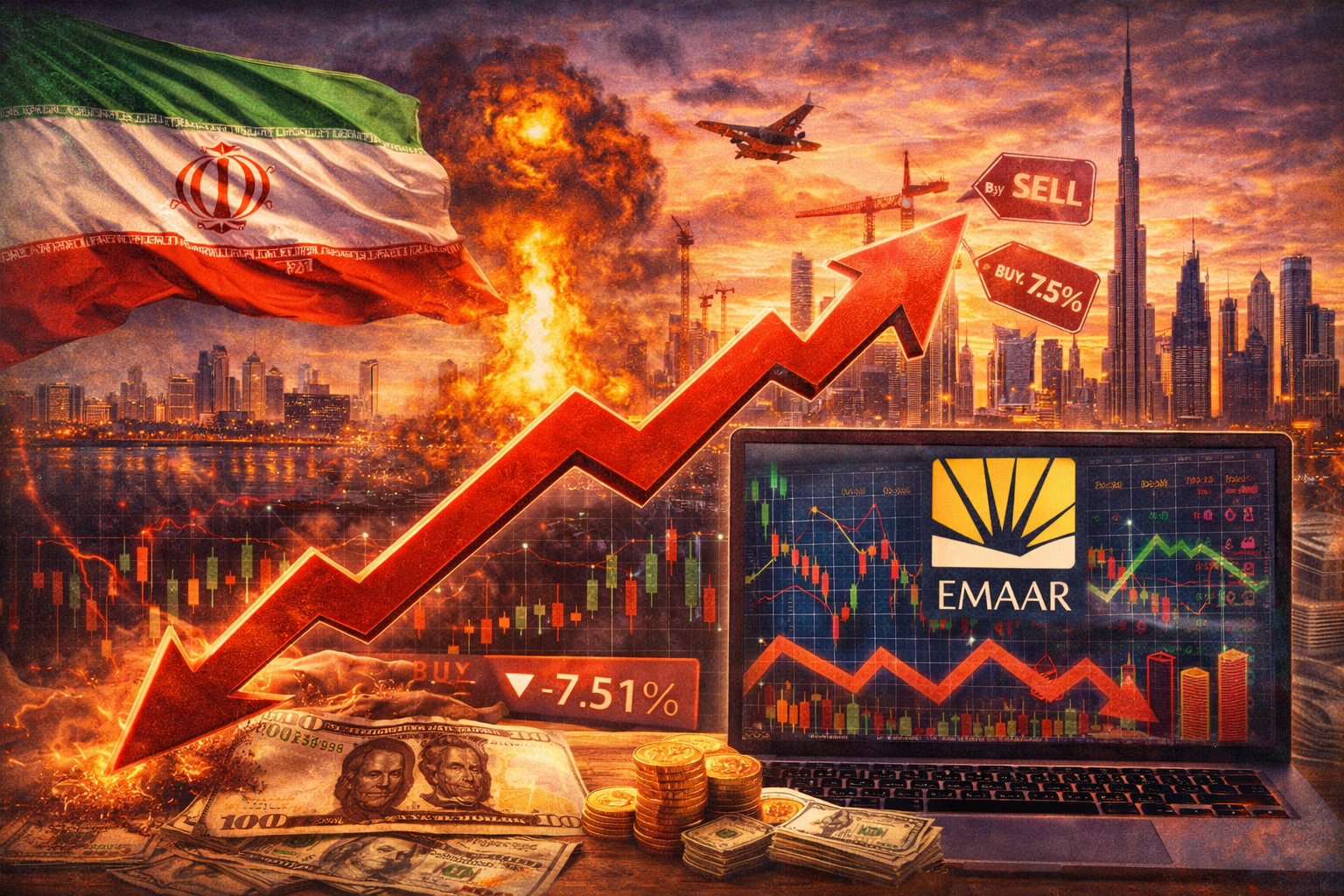
Geopolitics Driving Market Reactions
Rising tensions in the Middle East have led to a sharp decline in shares of Emaar, one of Dubai’s most prominent real estate developers.
This movement reflects how geopolitical risks can influence financial markets, often triggering capital outflows from perceived risk assets.
Why Emaar Is Affected
Emaar is widely viewed as a benchmark for Dubai’s real estate sector.
Its stock performance often mirrors investor expectations about the broader property market.
In times of uncertainty, global investors may reduce exposure, contributing to price declines.
Stocks vs. Property Prices
It is important to distinguish between stock market reactions and real estate fundamentals.
Equity markets tend to respond quickly to sentiment and expectations, while property markets are more closely tied to actual demand and long-term investment.
As a result, short-term stock declines do not necessarily imply immediate changes in property prices.
Structural Strength of Dubai’s Market
Dubai’s real estate sector has been supported by strong underlying drivers.
These include inflows of high-net-worth individuals, favorable tax policies, flexible residency programs, and sustained international capital.
Such structural factors often provide resilience against short-term external shocks.
Investor Perspective
During periods of volatility, separating short-term reactions from long-term trends becomes essential.
Geopolitical developments can create sharp movements, but they do not always alter the fundamental outlook of a market.
Conclusion: Risk and Opportunity Coexist
The decline in Emaar’s share price may signal increased market caution.
At the same time, it can also represent a natural correction within a growing market.
Understanding whether such movements reflect temporary volatility or deeper structural change is key.
For investors, maintaining a long-term perspective remains crucial in navigating global real estate markets.
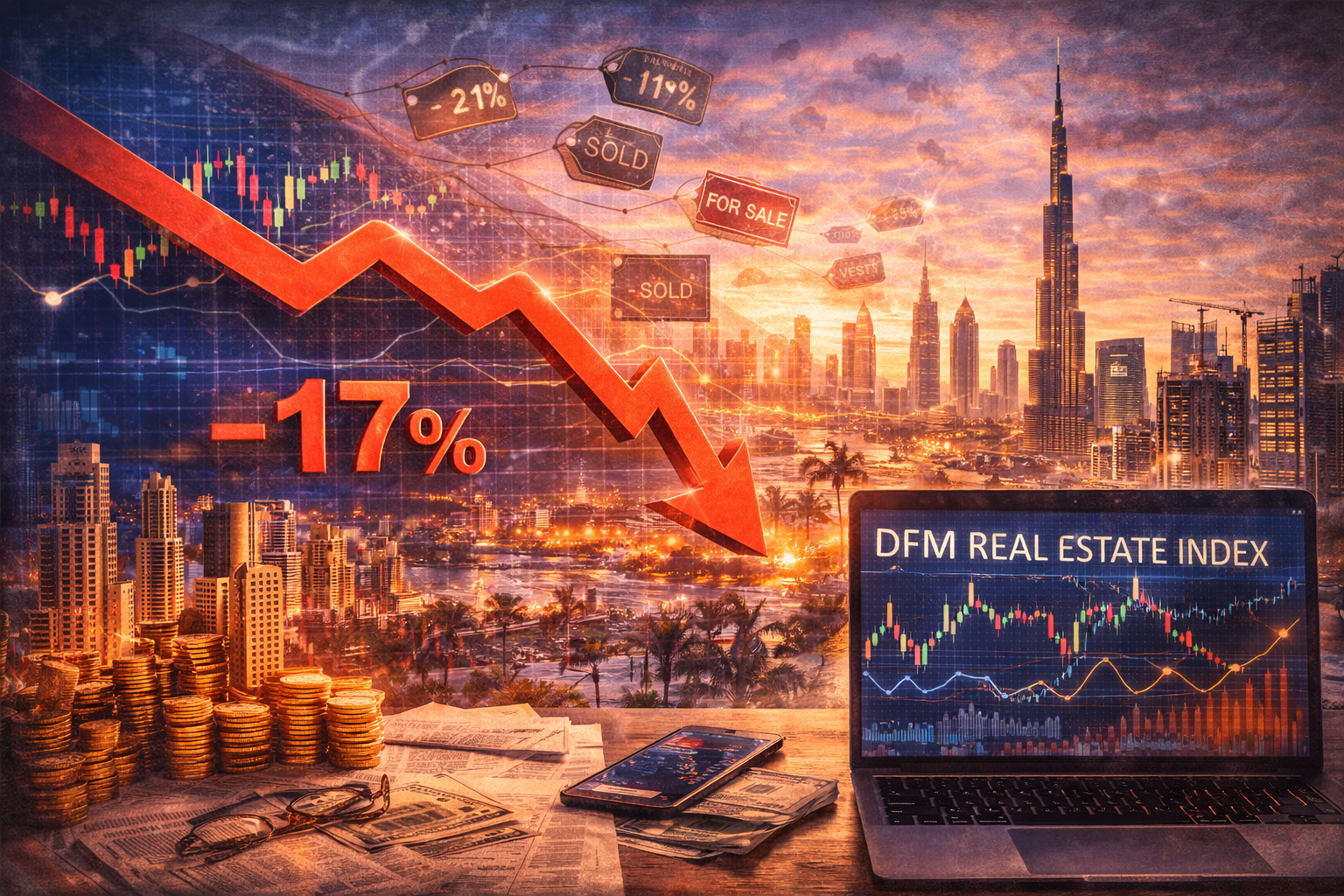
The recent decline in the DFM Real Estate Index, which tracks property-related companies listed on the Dubai Financial Market, has drawn attention from investors and analysts.
Stock indices often reflect investor expectations and market sentiment, sometimes acting as early indicators of broader economic trends.
Real estate company stocks do not always move in direct correlation with property prices.
However, they often incorporate expectations about future sales, capital flows, financing conditions, and economic outlooks.
For this reason, stock market movements can occasionally signal shifts in real estate market sentiment.
Several factors may contribute to the recent drop.
Profit-taking after strong market performance, adjustments following rapid price growth, global financial conditions, and geopolitical developments can all influence investor behavior.
Short-term corrections are not uncommon in rapidly expanding markets.
Dubai’s real estate sector has been one of the most active globally in recent years.
Factors such as strong migration inflows, tax advantages, flexible residency programs, and international capital investment have supported demand.
These structural drivers continue to shape the market’s long-term trajectory.
Rather than focusing solely on short-term index fluctuations, investors often evaluate broader indicators.
Population growth, housing demand, urban development, and sustained capital inflows tend to determine the long-term direction of property markets.
The decline in the real estate index may represent a market signal, but its long-term significance remains uncertain.
It could reflect a temporary adjustment, a shift in investor sentiment, or the early stage of a broader transition.
Market cycles are natural in any growing economy.
Occasional corrections can even contribute to healthier and more sustainable market development.
Dubai’s Reputation for Safety
Dubai has long been recognized as one of the safest cities in the world.
Low crime rates, strong law enforcement, and a stable social environment have helped make it an attractive destination for international professionals and investors.
However, periodic tensions in the Middle East sometimes raise questions about regional stability.
Understanding Government Travel Advisories
Governments issue travel advisories to inform citizens about potential risks abroad.
These advisories typically range from general caution to recommendations against non-essential travel or, in more serious cases, evacuation advisories.
Such warnings are designed to help individuals assess risks and make informed decisions.
The Situation in Dubai
The United Arab Emirates is widely regarded as one of the most stable countries in the Middle East.
Dubai in particular maintains strict security measures and a well-organized urban environment.
As a result, daily life in the city often remains stable even when broader regional tensions are reported.
The Reality of Geopolitical Risk
At the same time, Dubai is geographically located within a complex geopolitical region.
Regional developments may occasionally influence aviation routes, security policies, or transportation systems.
These dynamics are part of operating within a globally connected region.
Practical Considerations for Residents
For expatriates and long-term visitors, staying informed is essential.
Monitoring official travel information, following reliable news sources, keeping emergency contacts updated, and planning alternative travel routes are practical steps that can improve preparedness.
Conclusion: Safety and Awareness
Dubai continues to maintain a reputation as a stable and secure global city.
Nevertheless, no international hub is completely isolated from global events.
Understanding risks while maintaining perspective is key for anyone living or doing business abroad.
When Mobility Becomes Uncertain
Living or doing business abroad sometimes exposes individuals to unexpected risks.
One such risk is the sudden disruption of travel due to geopolitical tensions.
Flight cancellations, airspace restrictions, and temporary airport closures have occurred in various parts of the world during periods of regional instability.
Even globally connected cities like Dubai are not completely insulated from such developments.
The Nature of the Middle East Region
The Middle East occupies a strategic position in the global economy.
It is a critical center for energy resources, international logistics routes, and geopolitical interests.
As a result, regional tensions can occasionally influence aviation routes, security policies, and transportation networks.
Dubai’s Geographic Position
Dubai is widely regarded as one of the most stable cities in the region.
At the same time, it serves as a major international aviation hub connecting Europe, Asia, and Africa.
Because of this role, shifts in regional dynamics can sometimes affect travel patterns through the city.
What Long-Term Residents Should Consider
For individuals living abroad, preparation for unexpected scenarios is important.
Understanding alternative travel routes, maintaining proper documentation, keeping emergency funds available, and staying informed through embassy updates can make a significant difference during uncertain situations.
Geopolitical Risk and Investment
Geopolitical risk is an inherent element of international investment.
It is not limited to one region; global financial and energy markets frequently respond to political developments.
Rather than eliminating risk entirely, the key is to understand and manage it effectively.
Conclusion: The Reality of Global Cities
Dubai’s success as a global hub reflects its openness and connectivity.
However, this same interconnectedness also means that global events can influence local circumstances.
For those engaged in international business or residence abroad, recognizing and preparing for geopolitical risks is an essential part of global engagement.
Many individuals considering relocation to Dubai ask a common question:
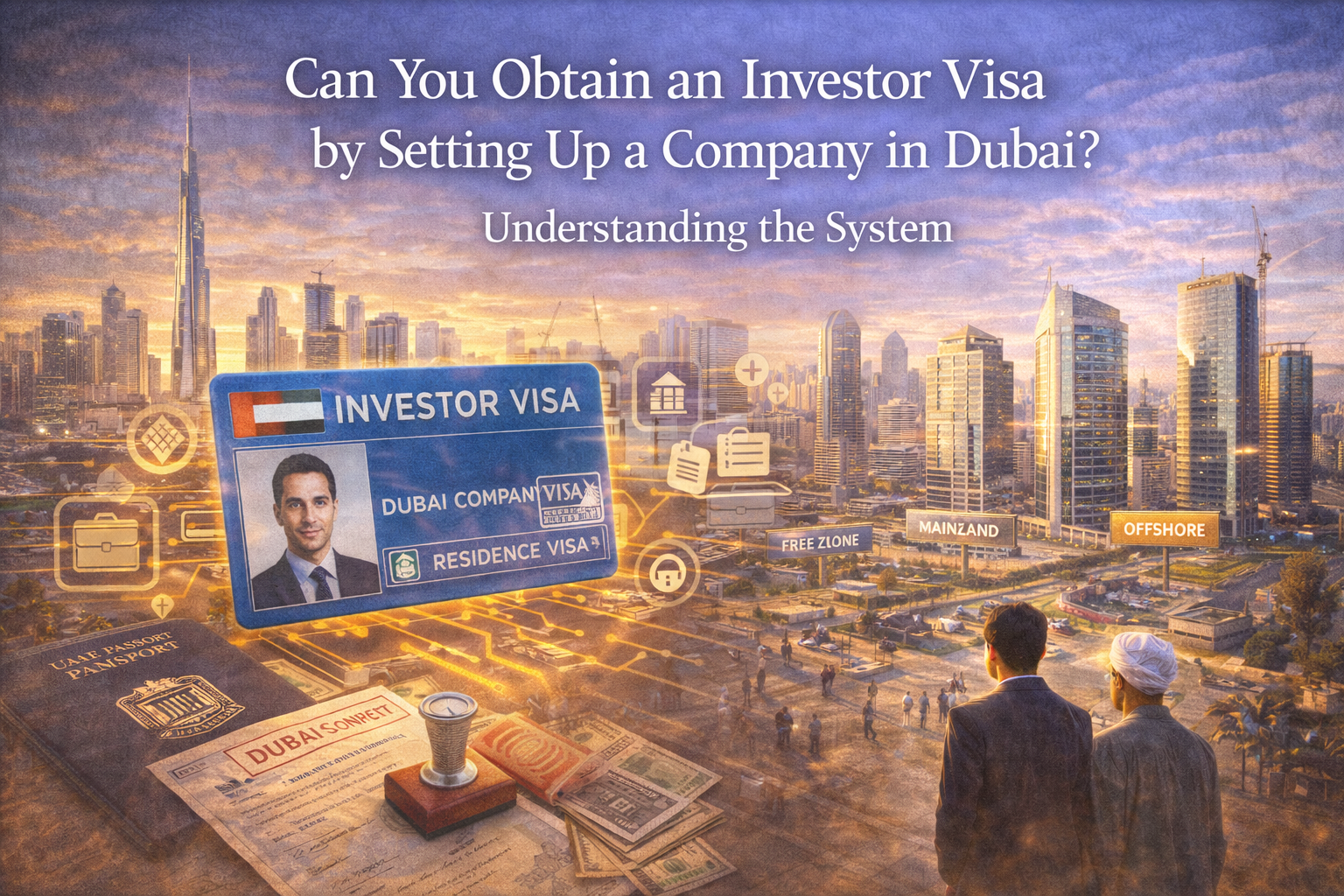
Can establishing a company lead to a residency visa?
The answer is generally yes, but the mechanism and requirements should be clearly understood.
In Dubai, the so-called “investor visa” usually refers to a residency visa granted to company shareholders or business owners.
Unlike property-based visas, this type of residency is tied to business activity and corporate ownership.
There are several ways to establish a company in Dubai:
Each structure differs in terms of operational scope, visa eligibility, regulatory requirements, and cost.
For individuals primarily seeking residency through business ownership, free zone companies are commonly used.
The general procedure includes company registration, license issuance, shareholder documentation, entry permit processing, medical examination, and finally residency visa issuance.
While the process is relatively straightforward, requirements can vary depending on the free zone authority and business activity.
Although company formation can provide residency eligibility, there are ongoing obligations.
Annual license renewal fees, office requirements, bank account compliance checks, and regulatory scrutiny must all be considered.
In recent years, authorities have strengthened oversight to ensure companies maintain genuine business activity.
For many entrepreneurs and investors, a Dubai company serves broader purposes beyond residency.
It can function as a base for international trade, asset management, tax planning, and regional investment operations.
In this sense, residency becomes a byproduct of establishing a legitimate business presence.
Dubai does allow residency through corporate ownership, but the system is designed to support real economic activity.
Careful planning across company structure, visa strategy, and banking arrangements is essential.
When approached strategically, Dubai continues to offer one of the most attractive global environments for international business.
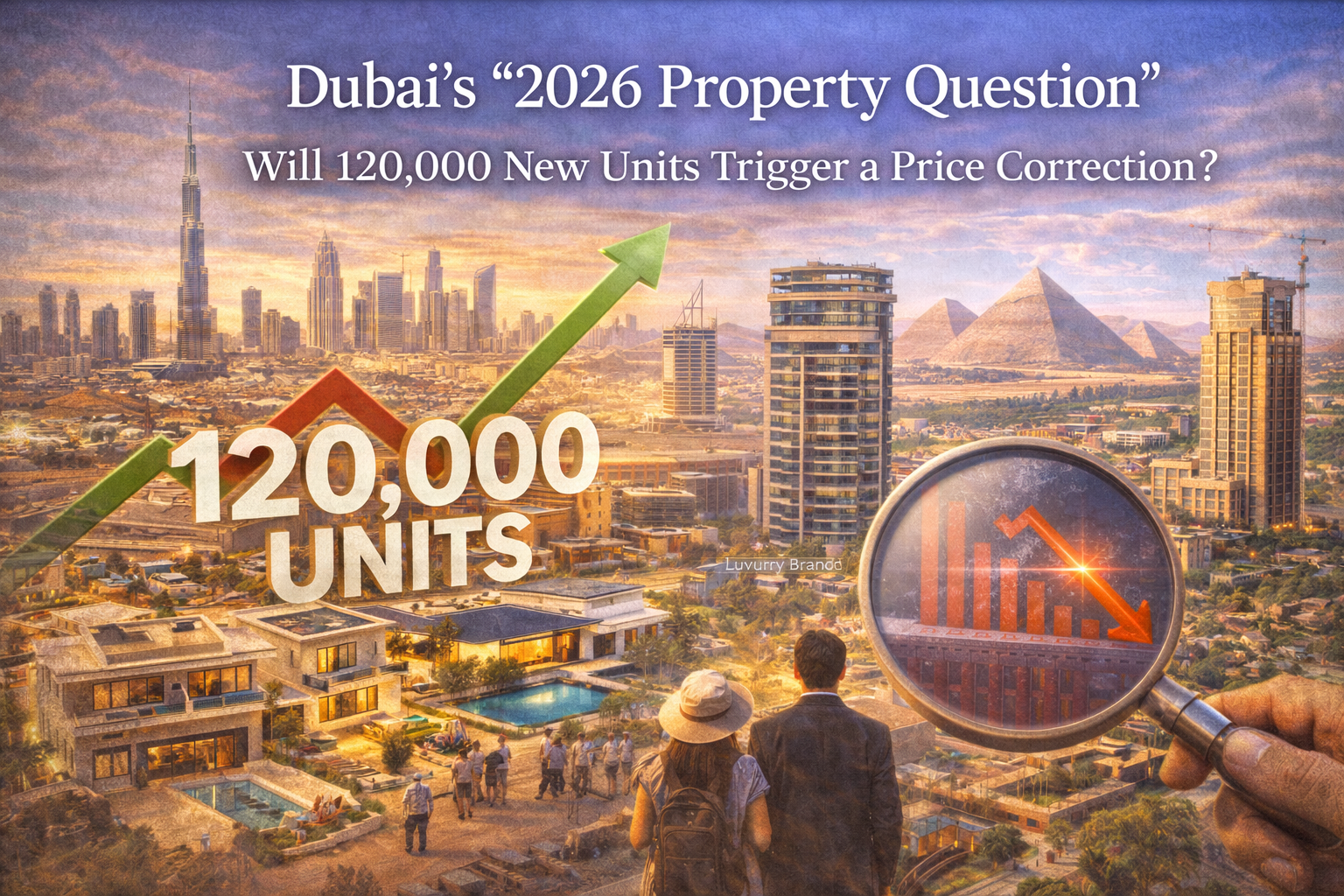
With approximately 120,000 residential units expected to be delivered around 2026, concerns about potential price declines in Dubai’s property market have intensified.
While economic theory suggests that increased supply may pressure prices, Dubai’s market structure is more complex than a simple supply-demand equation.
The projected units span multiple segments — apartments, villas, luxury branded residences, and mid-market housing.
These categories serve different buyer profiles and geographic zones.
Market impact will likely vary by segment rather than affect all property types equally.
Dubai continues to attract high-net-worth individuals, foreign capital inflows, long-term visa holders, and new business formations.
Population growth and international migration remain important demand drivers.
In certain luxury segments, demand has consistently outpaced supply.
Comparisons to the 2008 crisis are common.
However, today’s market operates under stricter lending regulations, higher equity requirements, enhanced developer oversight, and more controlled off-plan sales frameworks.
The current environment is structurally more regulated.
Rather than a broad market collapse, selective adjustments may occur.
Mid-market properties could face price stabilization, yields may compress, and location-specific disparities could widen.
The scenario may reflect maturation rather than crisis.
Key indicators include supply quality, demographic growth, capital inflows, and visa-driven residency trends.
Short-term volatility is less important than long-term urban growth fundamentals.
Dubai maintains structural advantages in taxation, residency policy, and business climate.
The delivery of 120,000 units is significant.
Yet it may represent expansion rather than excess.
As markets mature, cycles of adjustment are natural.
The central question is not whether prices will fall universally, but which segments will demonstrate resilience.
2026 may prove to be a year of differentiation rather than disruption.
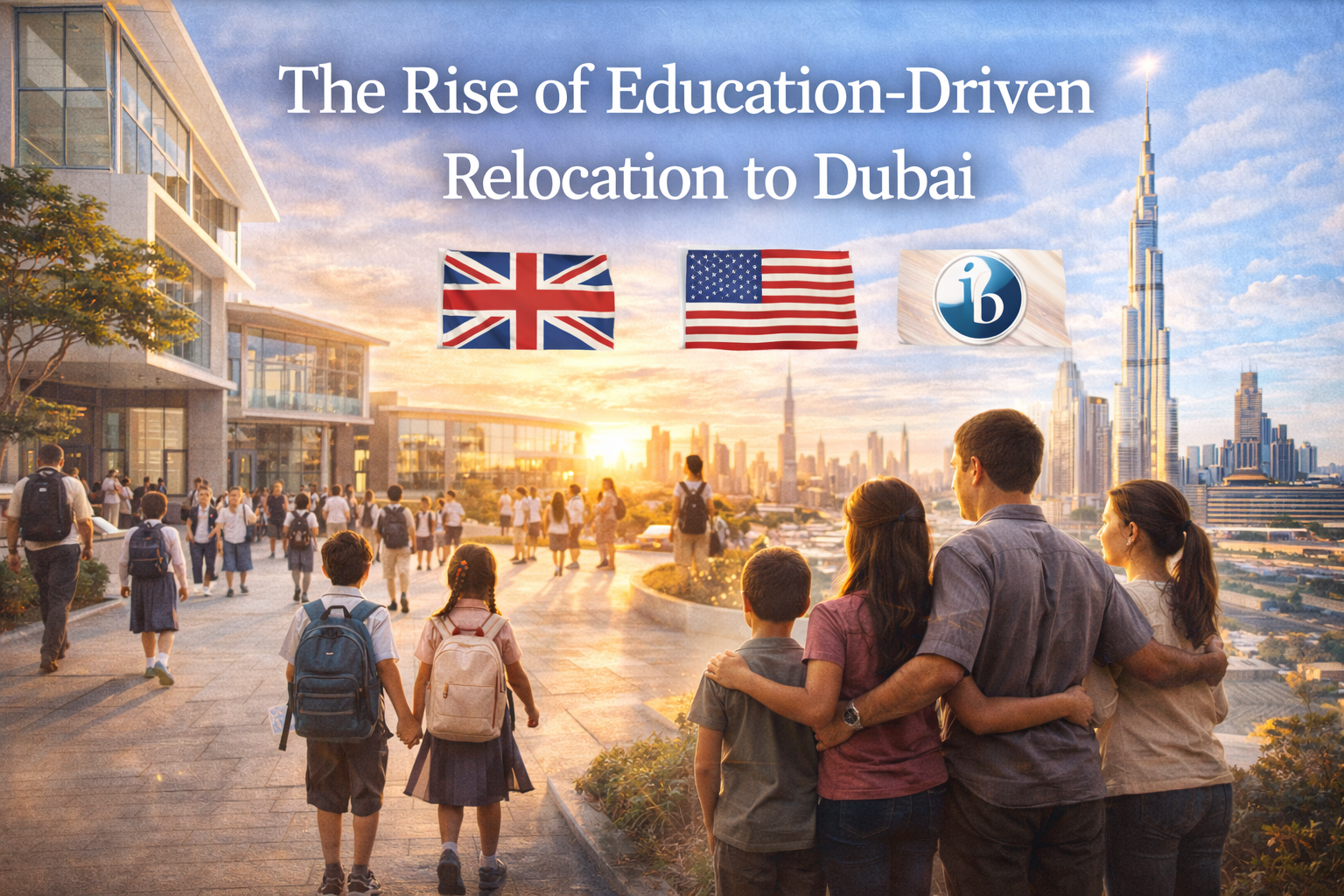
Dubai’s appeal has traditionally centered on business opportunities and tax advantages.
In recent years, however, education has become a primary motivation for families choosing to relocate.
The expansion and diversification of international schools have played a central role in this shift.
Dubai offers an exceptional range of international curricula, including British, IB, American, and other national systems.
This diversity provides families with flexibility aligned to global university pathways.
Beyond quantity, many schools maintain internationally recognized standards, reinforcing the city’s reputation as a serious education hub.
Education relocation depends on more than schools alone.
Dubai’s safety, healthcare system, multicultural environment, and residential variety contribute to its attractiveness for long-term family settlement.
The city’s infrastructure supports stability, not just temporary residence.
Increasing competition in domestic education systems, globalization of university admissions, and growing emphasis on English-language proficiency are influencing family decisions worldwide.
Dubai’s strategic location between Europe, Asia, and Africa further enhances its role as a regional education center.
Education-driven relocation has measurable effects on property markets.
Family-oriented housing near reputable schools tends to experience sustained demand, and certain school districts have become premium residential zones.
Education has become a structural component of urban value.
Dubai’s evolution into an education hub signals a deeper transformation.
It is no longer merely a place for temporary economic opportunity, but increasingly a destination for family roots and long-term planning.
As international schooling continues to expand, education will remain a defining element of Dubai’s future growth.
Please feel free to contact us from the email form.

 Inquiries by email
 Bookmark
 Browsing history



 Bookmark
 Browsing history
