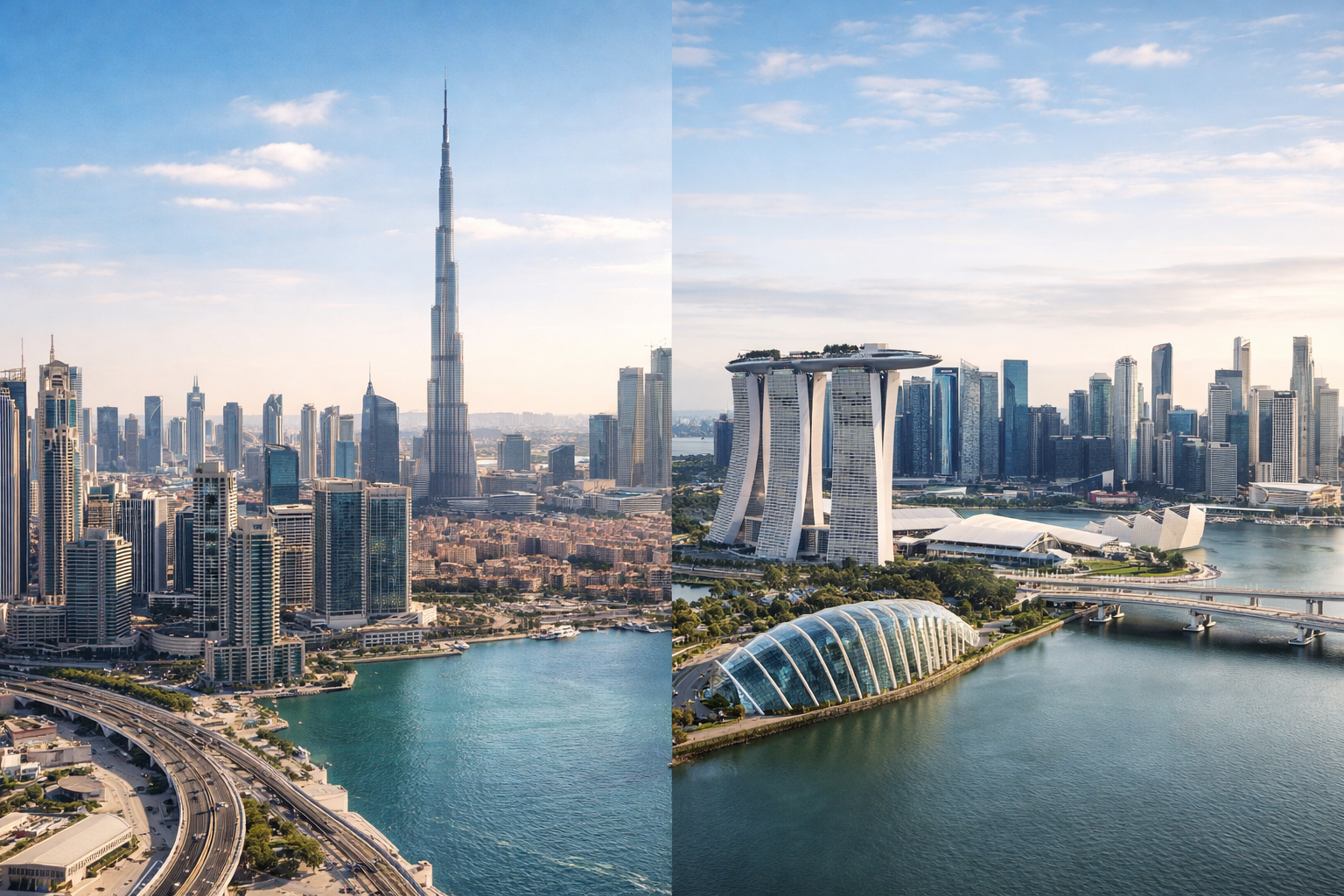
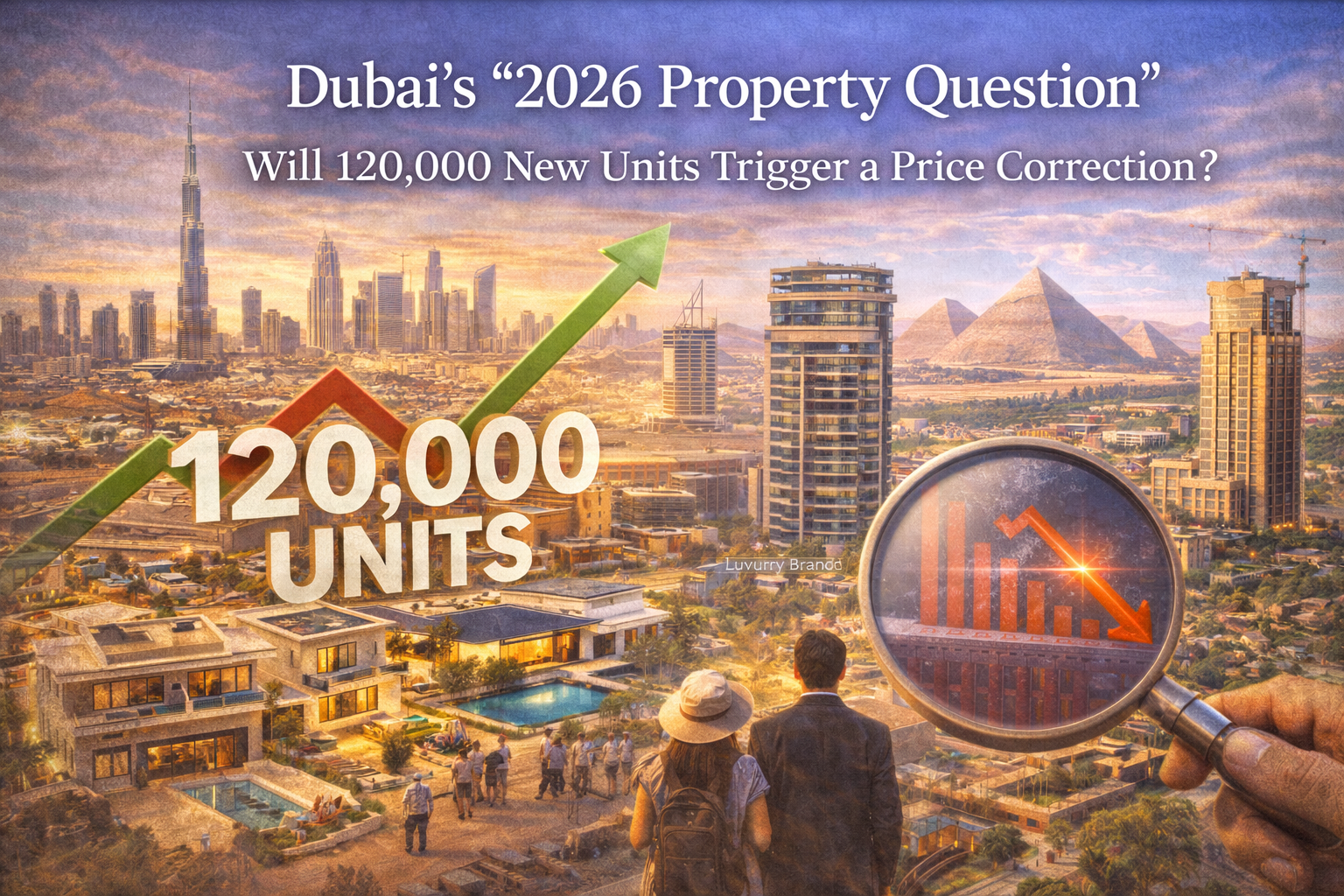
Dubai is often perceived as a rapidly growing global city.
Iconic skyscrapers, large-scale developments, and population expansion contribute to this image.
However, actual economic growth rates suggest a more nuanced reality.
Dubai’s economic growth, reflected in UAE-wide data, typically falls within moderate single-digit percentages.
This indicates stable and consistent growth rather than explosive expansion.
It represents a balance between development and economic maturity.
Dubai is frequently compared with Singapore due to their shared roles as global hubs.
Both cities function as financial centers, logistics gateways, and destinations for international capital.
However, differences in economic structure, demographics, and policy frameworks lead to variations in growth dynamics.
Dubai’s economy is highly diversified.
Tourism, real estate, finance, and logistics play central roles, supported by continuous inflows of foreign capital and population growth.
This diversification reduces reliance on any single sector.
GDP alone does not fully capture Dubai’s economic reality.
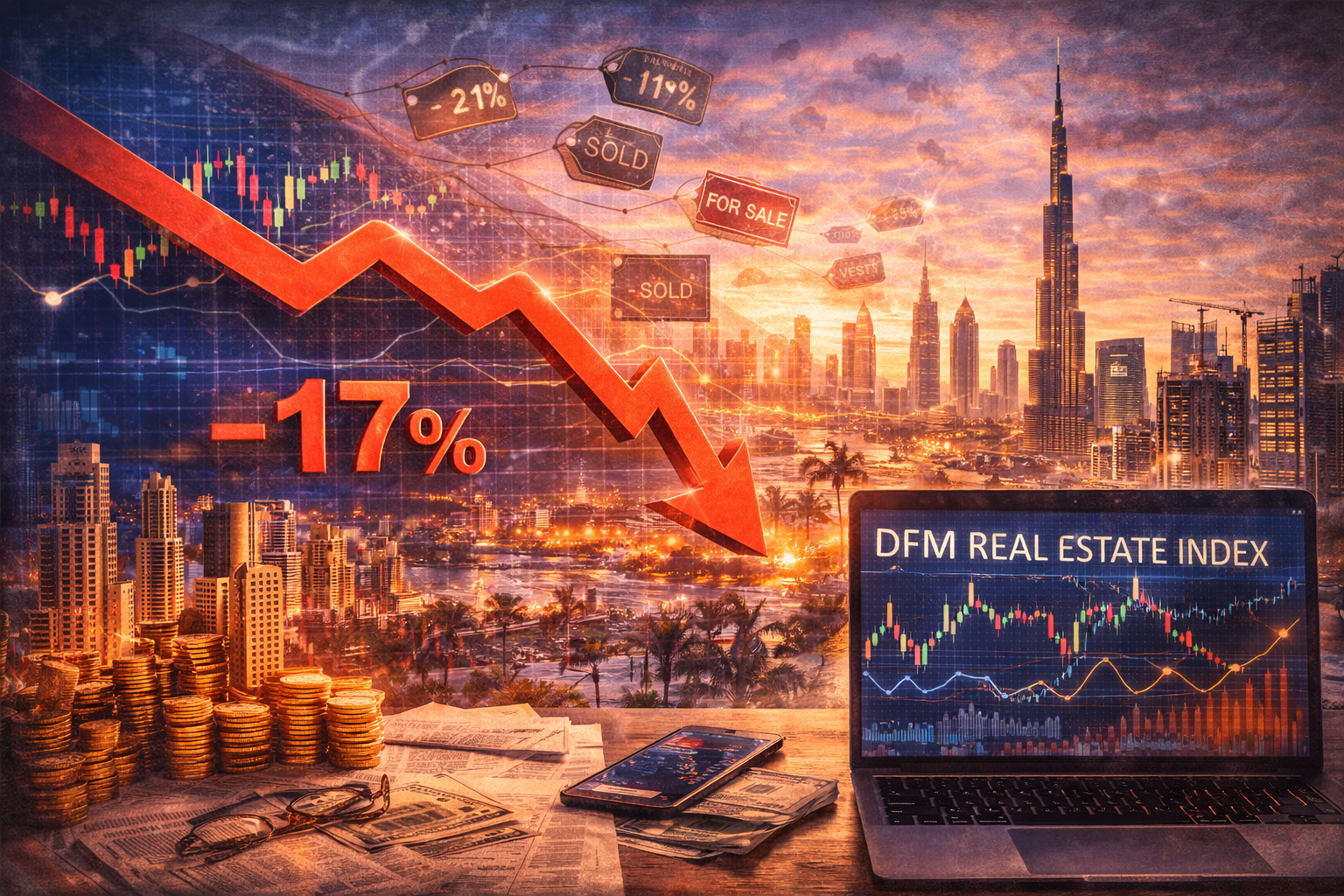
Indicators such as population growth, property market trends, consumer activity, and capital inflows provide additional insight.
A comprehensive view requires analyzing multiple dimensions.
For investors, the quality and sustainability of growth are more important than headline growth rates.
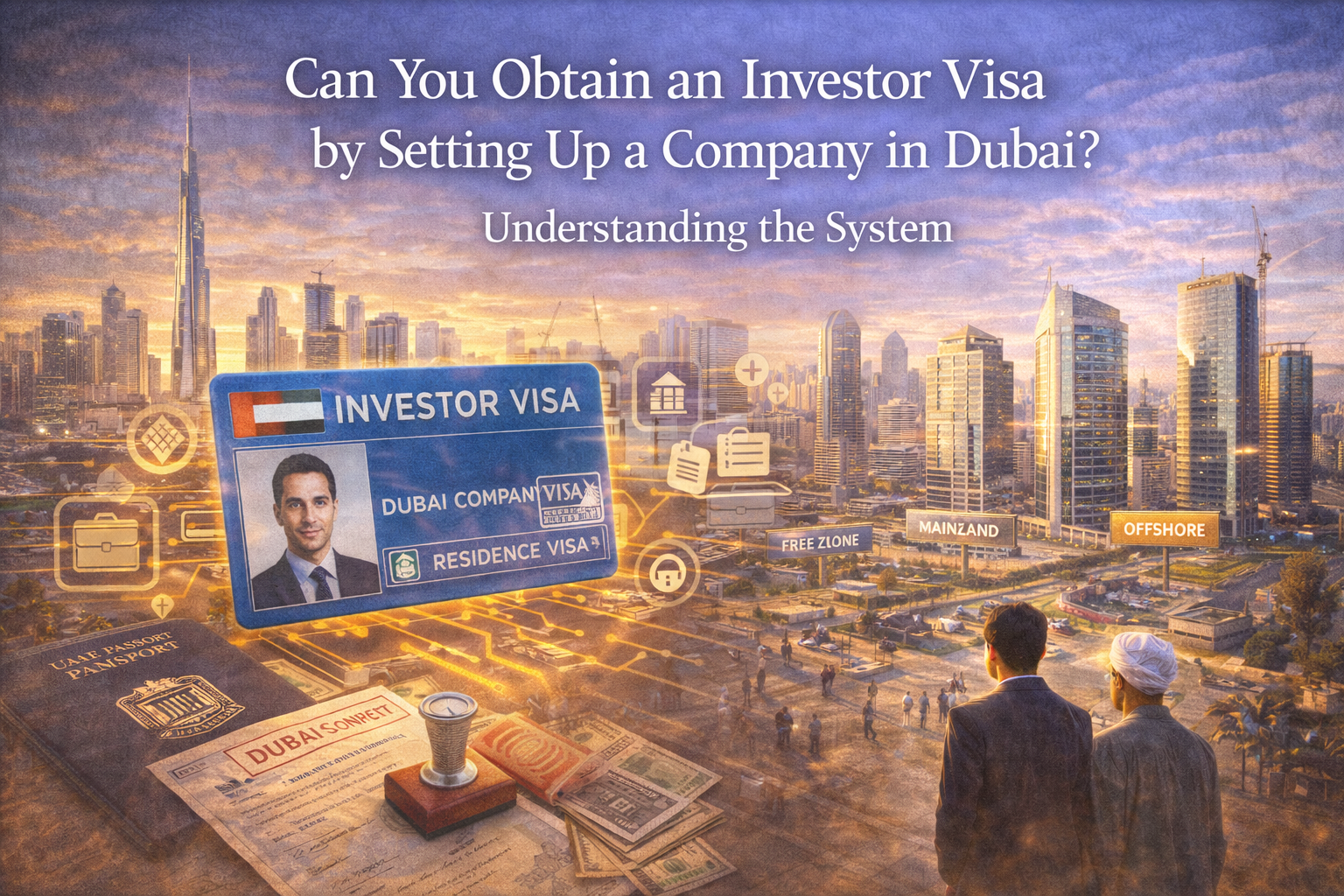
Dubai offers advantages such as favorable tax policies, flexible residency programs, and strong capital inflows.
At the same time, it remains sensitive to global economic conditions.
Dubai’s economic story extends beyond simple growth figures.
Comparisons with Singapore highlight that different cities follow distinct development models.
In today’s global economy, understanding these differences is more valuable than focusing solely on numerical growth rates.
Please feel free to contact us from the email form.

 Inquiries by email
 Bookmark
 Browsing history



 Bookmark
 Browsing history


