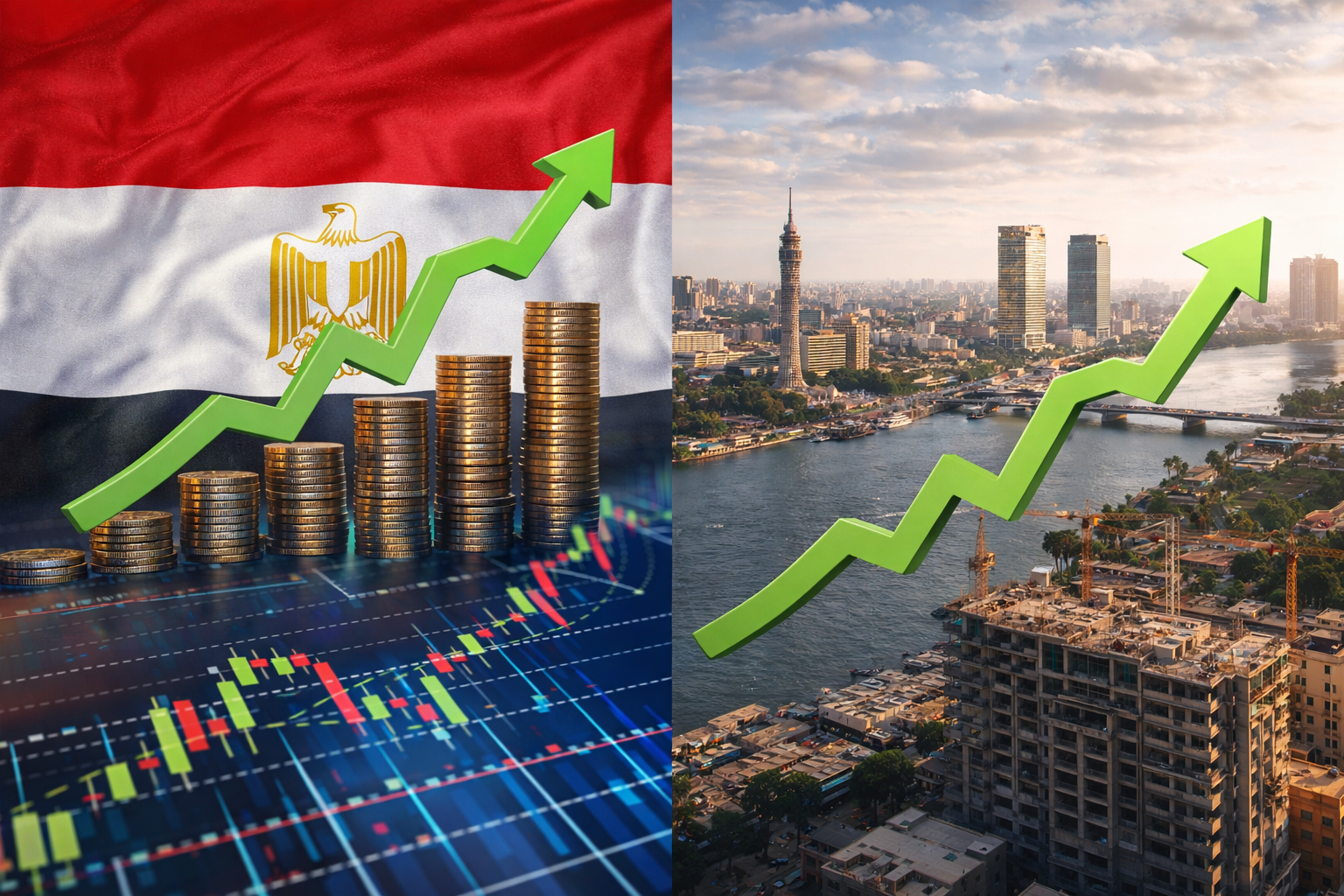
Egypt’s economy has achieved growth of around 5%, drawing attention in a volatile global environment.
Such performance highlights the resilience of emerging markets.
However, headline growth figures alone do not fully capture economic reality.
Several factors contribute to Egypt’s economic expansion.
A growing and youthful population supports consumption.
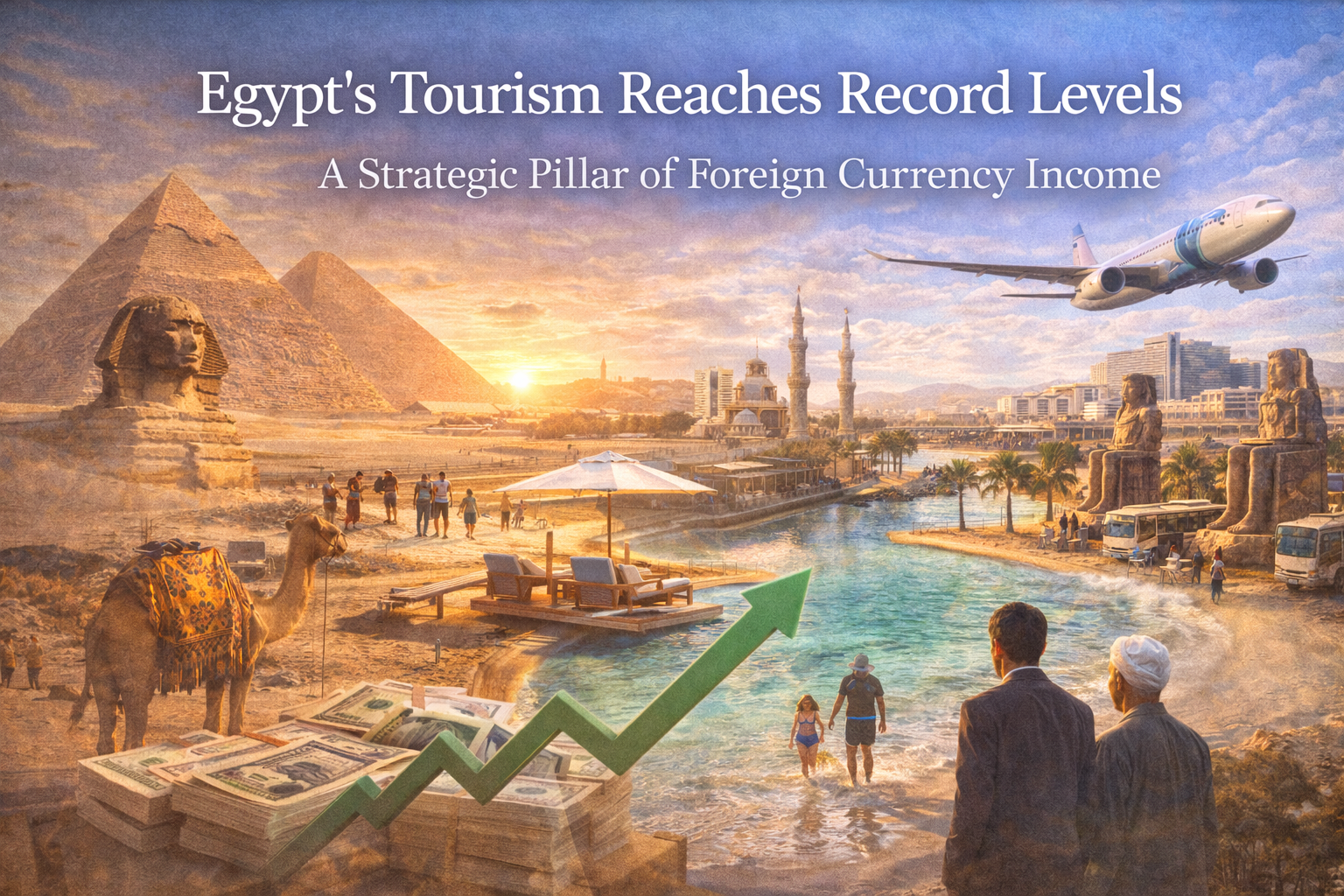
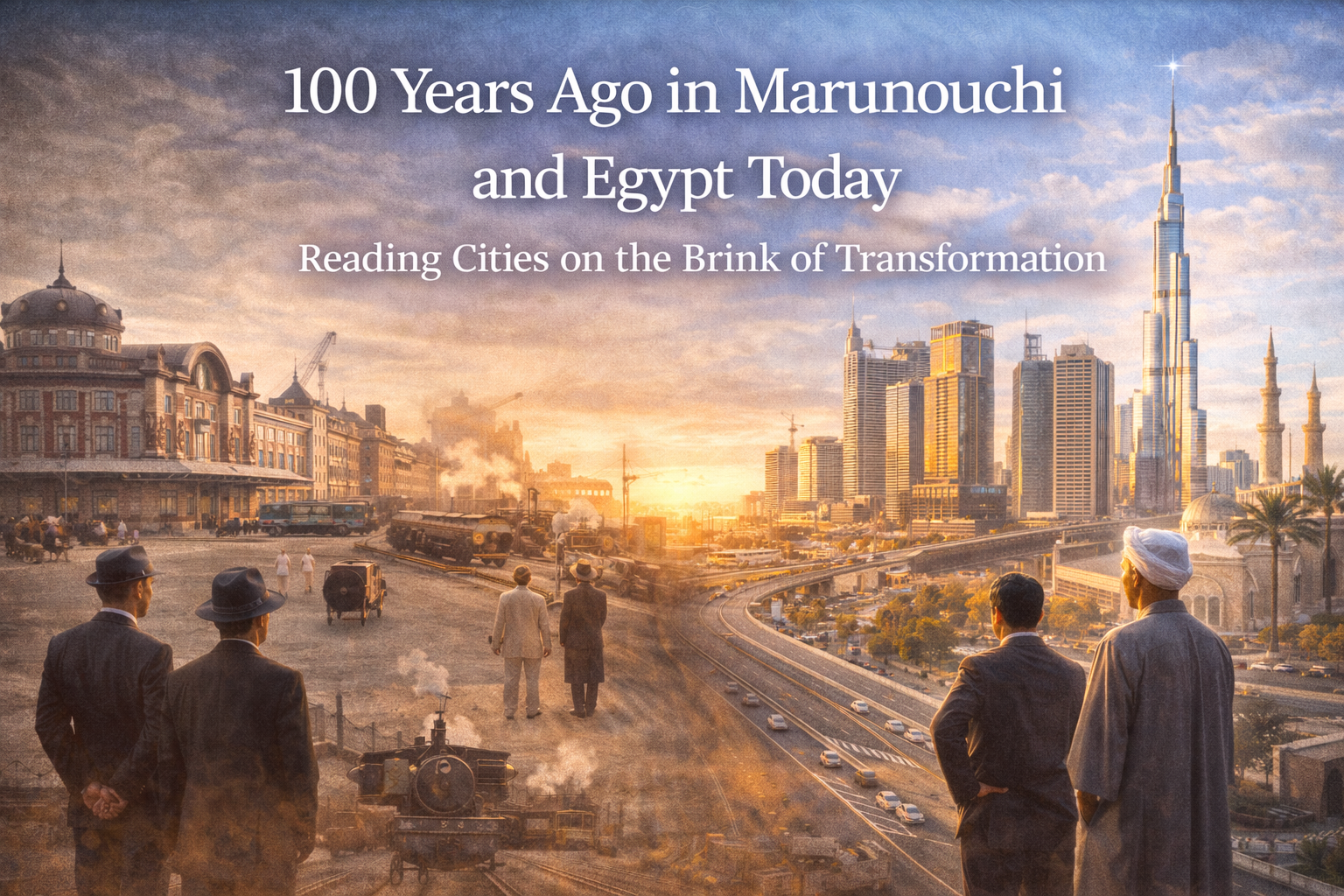
At the same time, infrastructure development, urban expansion, tourism recovery, and Suez Canal revenues play significant roles.
The quality of growth is just as important as the rate itself.
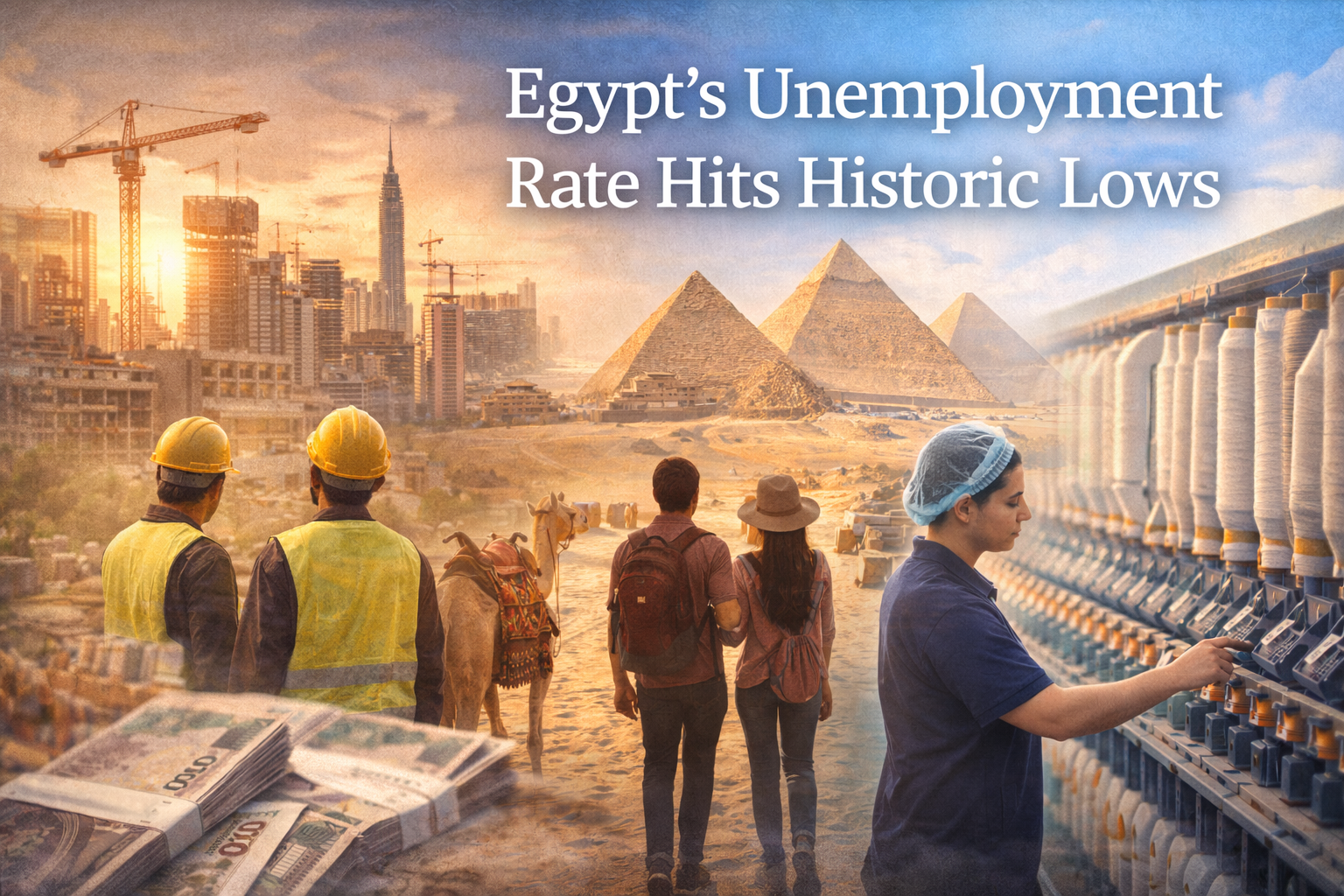
Investors should consider which sectors are expanding, how growth translates into employment, and whether it strengthens external earnings capacity.
Egypt faces ongoing economic challenges, including inflation pressures, currency fluctuations, foreign exchange constraints, and fiscal burdens.
These factors can influence the sustainability of growth.
Egypt presents opportunities across sectors such as real estate, infrastructure, consumer markets, and tourism.
Its growth potential attracts attention, but investors must also account for volatility and long-term structural factors.
Compared to other emerging economies, Egypt stands out due to its population size, strategic location, and ongoing development initiatives.
These characteristics give it a unique position within the region.
Egypt’s 5% growth is a meaningful indicator, but it represents only part of the story.
Understanding the underlying drivers — demographics, urbanization, and capital flows — is essential.
For investors, analyzing structure rather than surface-level figures is key to navigating emerging markets.


Please feel free to contact us from the email form.

 Inquiries by email
 Bookmark
 Browsing history



 Bookmark
 Browsing history


