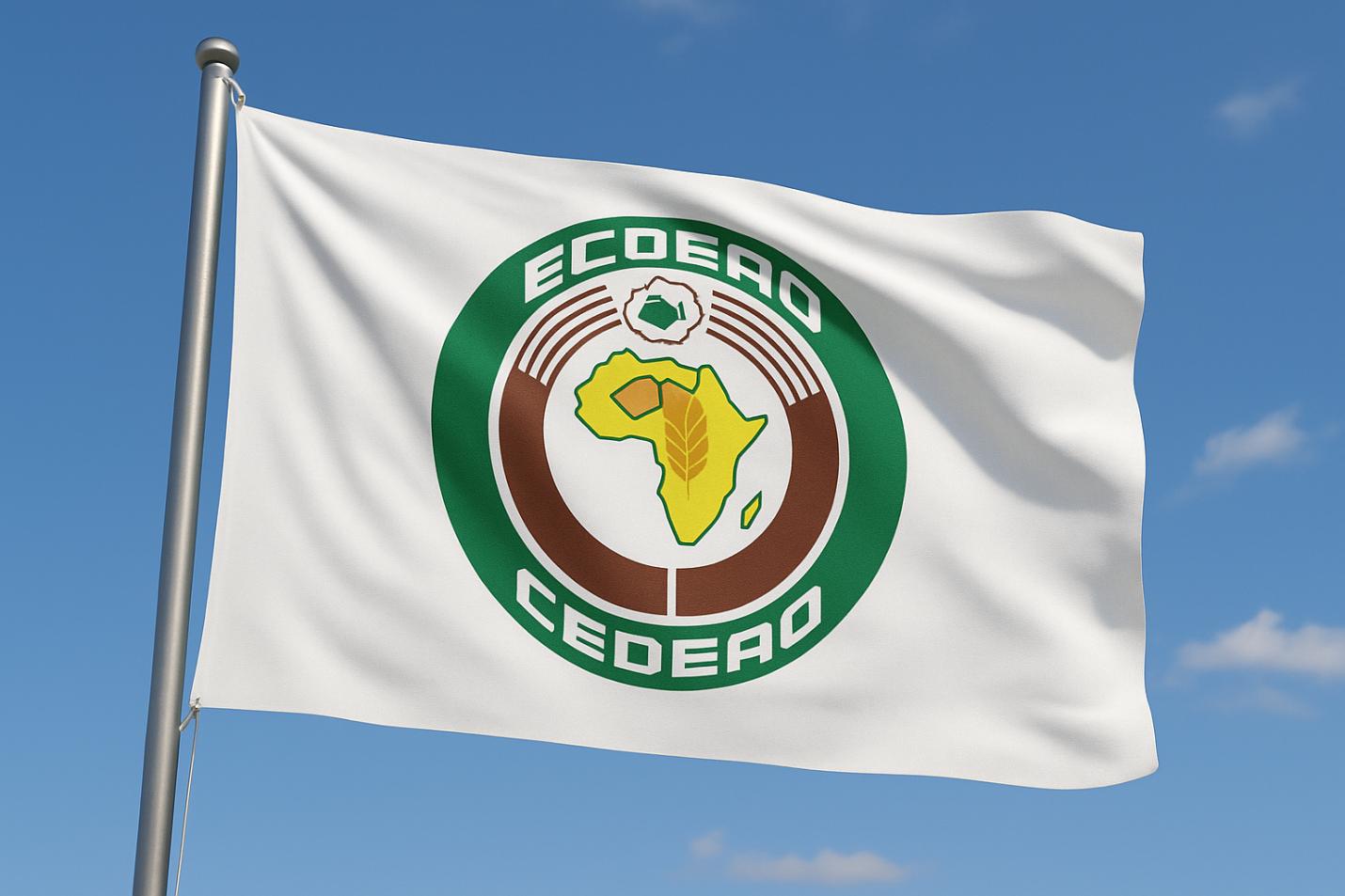
ECOWAS is a regional political and economic union formed in 1975 to promote cooperation among West African countries. Its initial mission was to create a unified economic space by reducing trade barriers and fostering cross-border commerce.
Over time, the organization expanded its scope to include political stability, peacekeeping, and security cooperation. It now plays a broader role in conflict mediation, election monitoring, and facilitating the free movement of people and goods.
Headquartered in Abuja, Nigeria, ECOWAS traditionally included 15 member states, though recent political developments have reduced active membership.
ECOWAS aims to strengthen regional economies through shared markets, infrastructure, and long-term strategies such as the introduction of a common currency, the ECO.
Alongside economic cooperation, ECOWAS has become a significant actor in regional security. It has intervened during periods of political instability, offering mediation and enforcing sanctions when necessary to uphold democratic principles.
In recent years, West Africa has experienced multiple coups and political crises. As a result, Mali, Niger, and Burkina Faso withdrew from ECOWAS and established a new alliance, the “Sahel Coalition,” signaling a major realignment in the region.
Their departure highlights tensions between ECOWAS’s governance principles and the political realities within certain member states. This shift has challenged the bloc’s ability to maintain cohesion and ensure regional stability.
At the same time, ECOWAS faces broader issues such as extremist violence, climate impacts, and economic disparities — factors that complicate its mission and test its resilience.
Nigeria, the region’s most populous and economically powerful nation, plays a crucial leadership role within ECOWAS. It supports peacekeeping operations, influences economic initiatives, and often acts as a mediator.
However, Nigeria’s own internal challenges mean that its stability — or instability — can significantly affect the entire West African region.
ECOWAS represents one of Africa’s most ambitious regional integration projects. Yet its future depends on balancing collective goals with the diverse political landscapes of its members.
To remain effective, ECOWAS will need to reinforce both economic integration and political stability, ensuring that cooperation continues despite mounting regional challenges.






Please feel free to contact us from the email form.

 Inquiries by email
 Bookmark
 Browsing history




 Bookmark
 Browsing history


